
The Difficulty Cap Illusion: Why 'Hard Mode' in Most Games Is Just a Stat Multiplier Wearing a Costume
When you select "Nightmare" difficulty in most modern games, you're not getting a fundamentally different experience. You're getting the exact same game with bigger numbers slapped on top. Enemy health pools double, their damage output triples, and suddenly the marketing team calls it "brutal challenge." It's the gaming equivalent of adding hot sauce to bland food and calling yourself a master chef.
The Lazy Developer's Guide to Fake Difficulty
The stat multiplier approach to difficulty has become gaming's most pervasive design shortcut. Take any recent AAA title with multiple difficulty modes, and you'll find the same pattern: Normal mode enemies have 100 health points, Hard mode gives them 200, and "Insane" mode cranks it to 500. The AI behavior remains identical. The level design stays unchanged. The player's toolkit doesn't evolve to match the challenge.
This approach creates what I call "difficulty inflation" — a false sense of challenge that tests patience rather than skill. When a basic enemy that took three shots to kill now requires fifteen, you haven't made the game harder in any meaningful way. You've just made it longer.
What Real Difficulty Design Looks Like
Contrast this with studios that understand difficulty as a design philosophy rather than a numerical adjustment. FromSoftware doesn't offer difficulty sliders in their Souls games because they've baked the challenge into every aspect of the experience. Enemy placement, level architecture, timing windows, and player capabilities all work together to create a cohesive difficulty curve.
Supergiant Games took a different approach with Hades, implementing their "Pact of Punishment" system. Rather than simply inflating enemy stats, each modifier fundamentally changes how you interact with the game. Some reduce your dash distance, others alter enemy behavior patterns, and a few even change the visual information available to players. Each modifier forces you to adapt your strategy, not just your patience.
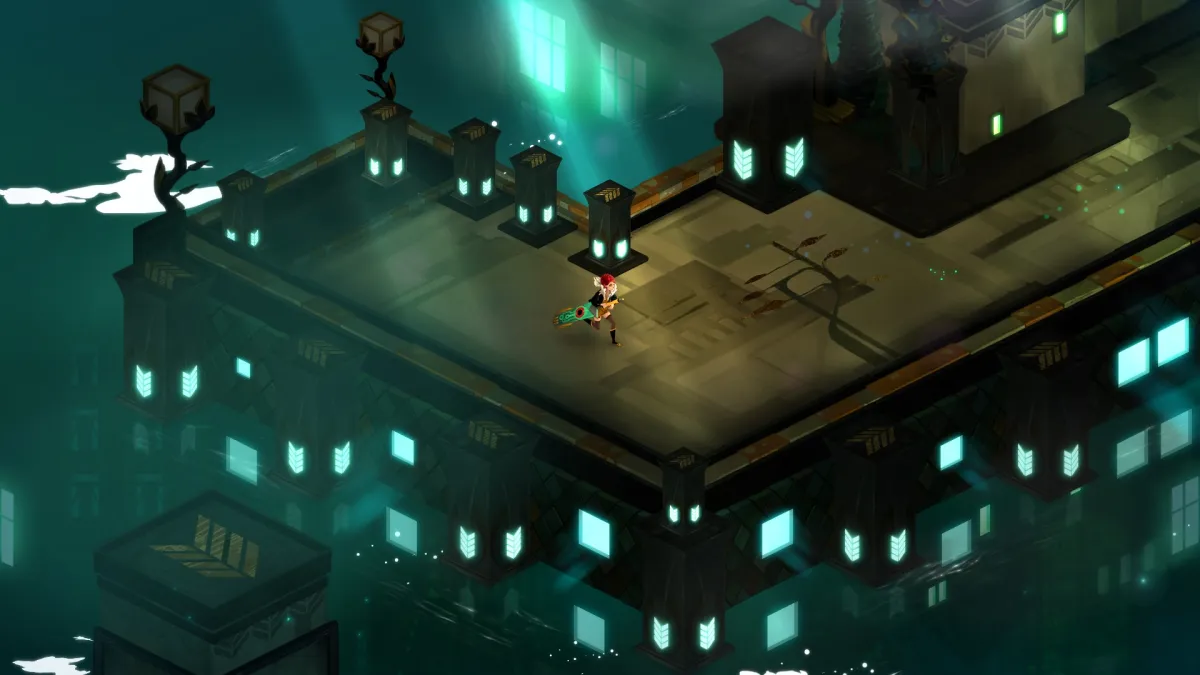 Photo: Supergiant Games, via images.ctfassets.net
The Psychology Behind Fake Challenge
Why do developers rely so heavily on stat inflation? The answer lies in development constraints and player psychology. Creating multiple AI behavior patterns, redesigning levels for different skill levels, and balancing entirely new enemy movesets requires significant time and resources. Multiplying damage values by 1.5 can be done in an afternoon.
But there's also a psychological component at play. Many players associate longer fights with greater difficulty, even when the actual challenge remains static. The satisfaction of finally defeating that bullet-sponge boss after the twentieth attempt can feel earned, even though you're essentially performing the same actions repeatedly until the numbers align in your favor.
The Accessibility Paradox
The stat multiplier approach creates an interesting paradox in game accessibility. While adding difficulty options theoretically makes games more accessible to different skill levels, poorly implemented systems can actually exclude players. When "Easy" mode simply reduces enemy damage without addressing underlying design issues like unclear visual cues or punishing checkpoint systems, it fails to address the real barriers preventing some players from enjoying the experience.
Proper difficulty design considers multiple types of challenges: reaction time, pattern recognition, strategic thinking, and mechanical execution. A well-designed difficulty system might reduce enemy aggression for players who struggle with reaction times while maintaining the strategic complexity that makes encounters engaging.
The Franchise Ceiling Effect
Many long-running franchises have painted themselves into a corner with their difficulty systems. When your "Normal" mode becomes the new "Easy" and you need to keep adding higher difficulty tiers to satisfy hardcore fans, you inevitably hit a ceiling where further stat inflation becomes absurd. Some games now feature enemies that can kill players in a single hit while requiring hundreds of shots to defeat — a design philosophy that borders on masochistic.
This escalation trap forces developers to choose between abandoning their established difficulty scaling or creating increasingly artificial challenge modifiers that bear little resemblance to the core game experience.
Breaking Through the Difficulty Ceiling
The most innovative difficulty systems in modern gaming don't just scale numbers — they scale complexity. Celeste's Assist Mode doesn't just reduce damage; it provides granular control over game speed, dash refills, and invincibility options. This allows players to customize their experience based on their specific needs and preferences.
Similarly, Spider-Man 2's difficulty options modify enemy aggression patterns, reaction times, and even the complexity of their attack combinations. Higher difficulties don't just make enemies stronger; they make them smarter and more varied in their approach to combat.
The Future of Challenge Design
As the gaming industry matures, we're beginning to see more sophisticated approaches to difficulty design. AI-driven dynamic difficulty adjustment can monitor player performance in real-time and modify challenge parameters beyond simple stat multipliers. Some games are experimenting with difficulty systems that adapt not just enemy strength but also level geometry, puzzle complexity, and narrative pacing.
The most promising development is the growing recognition that difficulty and accessibility aren't opposing forces. Well-designed challenge systems can provide meaningful options for players across the entire spectrum of ability and experience levels without resorting to lazy stat inflation.
The Real Challenge
True difficulty design requires developers to understand what makes their game challenging at a fundamental level. It's not about making enemies harder to kill; it's about creating situations that test the skills your game is designed to teach. When a difficulty mode forces you to engage more deeply with the game's core systems rather than simply endure them longer, that's when you know you've found something special.
The next time you boot up a game's "Hard" mode and find yourself facing the same enemies with inflated health bars, remember: you're not experiencing greater challenge — you're experiencing the developer's ceiling on creativity.