
The Ghost Level Problem: Why Games Keep Hiding Content Behind Caps You Didn't Know Existed
You hit level 50. The confetti drops, the achievement pops, and you feel that familiar rush of completion. But then you try to access that high-tier crafting recipe you've been eyeing, only to discover you need "Artisan Rank 25" — a completely separate progression system the game barely mentioned. Welcome to the world of ghost levels, gaming's most insidious form of gating content.
The Invisible Ceiling
Ghost levels are secondary, tertiary, or even quaternary progression systems that operate parallel to your main character level. Unlike traditional level caps that clearly communicate "you need to be Level 60 to enter this dungeon," ghost levels hide behind vague requirements like "faction standing," "mastery points," or "reputation tiers." They're the progression systems that don't get their own XP bar on your main UI, don't trigger fanfare when you advance, and often aren't even explained in tutorials.
The most egregious examples come from live-service games where entire features — ranked competitive modes, advanced crafting stations, guild leadership tools, or premium currency earning methods — sit behind these invisible walls. Players report spending dozens of hours at "max level" only to discover they've barely scratched the surface of what the game actually offers.
The Psychology of Hidden Engagement
Developers aren't accidentally forgetting to explain these systems. Ghost levels are a deliberate engagement tool designed to create what industry insiders call "discovery spikes" — moments when players suddenly realize there's more content than they thought, extending their play time just when they might have been considering moving on to another game.
The strategy works because it exploits our completion psychology. When you think you've "finished" the leveling experience, discovering a hidden layer of progression triggers the same dopamine response as finding a secret room in a platformer. The difference is that secret rooms are bonus content — ghost levels often gate essential features that should have been accessible from the start.
Reddit's Rage and Steam's Reviews
Browse any major gaming subreddit and you'll find frustrated posts titled "How was I supposed to know about [obscure progression system]?" The complaints follow a predictable pattern: players invest significant time reaching what they believe is endgame, only to discover they need to grind completely different metrics to access core features.
Steam reviews are increasingly calling out games for this practice. Destiny 2, World of Warcraft, and even single-player RPGs like Assassin's Creed Odyssey face criticism for hiding weapon upgrades, story content, or gameplay mechanics behind progression systems that aren't clearly communicated during the main leveling experience.
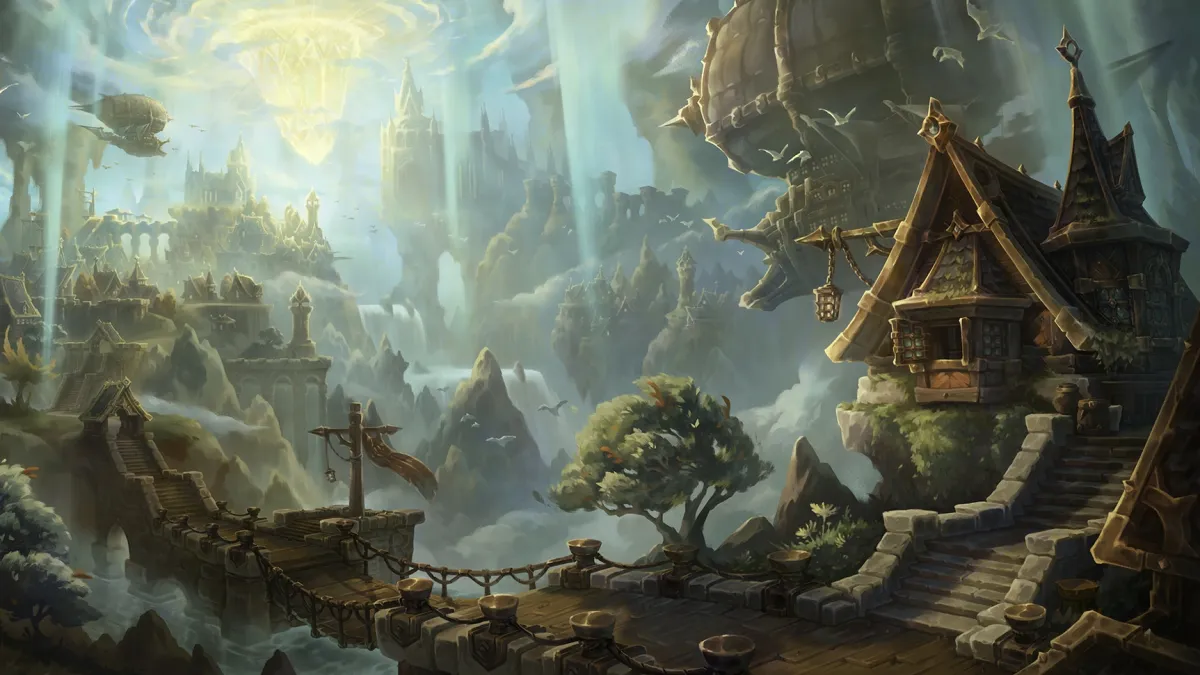 Photo: World of Warcraft, via blz-contentstack-images.akamaized.net
The Faction Trap
Perhaps the most common ghost level implementation is faction reputation. Games will let you interact with various groups throughout your journey, quietly tracking your standing without making it clear that reaching certain thresholds unlocks substantial content. Players report discovering entire questlines, gear sets, and story branches locked behind reputation requirements they didn't know they were working toward.
The problem compounds when these systems have daily or weekly caps, meaning even dedicated players can't simply grind their way to access gated content. What feels like artificial time-gating often is exactly that — a way to extend engagement metrics without adding meaningful content.
The Mastery Mirage
Skill-based ghost levels represent another frustrating variant. Games will track how often you use specific abilities, weapons, or playstyles, gradually unlocking "mastery" bonuses or advanced techniques. While this sounds like rewarding specialization, it often means players discover their preferred playstyle is artificially handicapped until they've performed arbitrary repetitive actions.
Fighting games are particularly guilty of this, hiding advanced training modes or character customization options behind "usage statistics" that aren't clearly tracked or communicated. Players think they're learning the game naturally, not realizing they're grinding invisible progression bars.
The Communication Crisis
The core issue isn't that games have complex progression systems — it's that they deliberately obscure them. A well-designed RPG can have dozens of interconnected advancement mechanics without frustrating players, as long as those systems are clearly explained and their requirements are transparent.
Games like Path of Exile or Warframe prove that players can handle incredible complexity when it's properly communicated. The difference is these games front-load their system explanations and provide clear tracking for all progression metrics. Players always know what they're working toward and how close they are to achieving it.
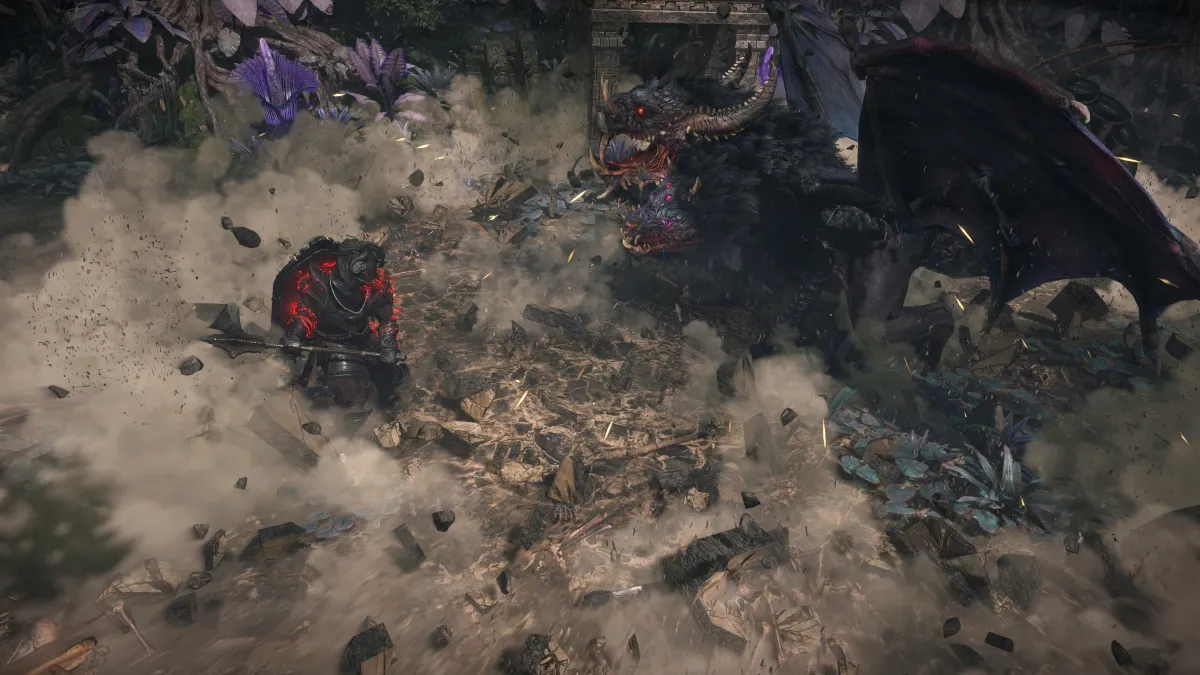 Photo: Path of Exile, via cdn.mos.cms.futurecdn.net
The Solution
Developers need to abandon the ghost level approach in favor of transparent progression design. If a system is important enough to gate content behind, it's important enough to explain clearly and track visibly. Players shouldn't need to consult wikis or YouTube guides to understand what they're actually progressing toward in your game.
The most player-friendly approach is progressive revelation — introduce secondary progression systems gradually as players advance, with clear explanations of their benefits and requirements. Make every progression bar visible, every requirement explicit, and every unlock celebration worthy.
Ghost levels represent a fundamental disrespect for player time and intelligence, treating engagement metrics as more important than player satisfaction. In an era where gamers have unlimited entertainment options, hiding your game's actual depth behind invisible walls isn't clever design — it's a recipe for frustrated players and negative reviews.
The best games don't hide their complexity; they celebrate it, teaching players to master interconnected systems that feel rewarding rather than obfuscated. It's time for the industry to stop treating progression transparency as a luxury and start recognizing it as a basic design principle.