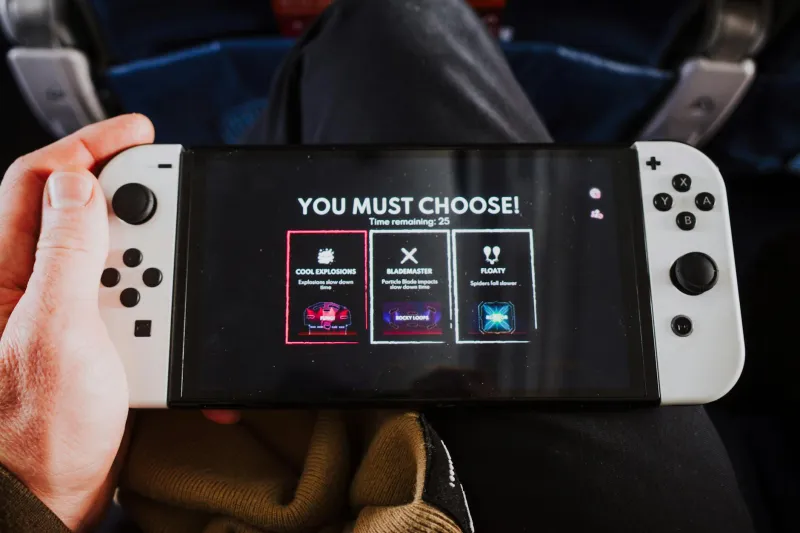
The days of hitting level 60 and calling it quits are over. Modern games have quietly orchestrated a revolution in character progression, trading the familiar climb up the numerical ladder for something far more complex: horizontal progression. Instead of racing to a hard cap, players now find themselves navigating sprawling webs of specializations, endless Paragon points, seasonal artifacts, and cosmetic unlocks that stretch infinitely sideways rather than upward.
This isn't just a design trend—it's a fundamental shift in how developers think about player retention. But after spending hundreds of hours grinding through Destiny 2's artifact levels, mapping out Path of Exile's labyrinthine passive tree, and chasing the perfect build in Diablo IV's Paragon boards, one question keeps nagging: is horizontal progression actually better, or is it just a level cap with better marketing?
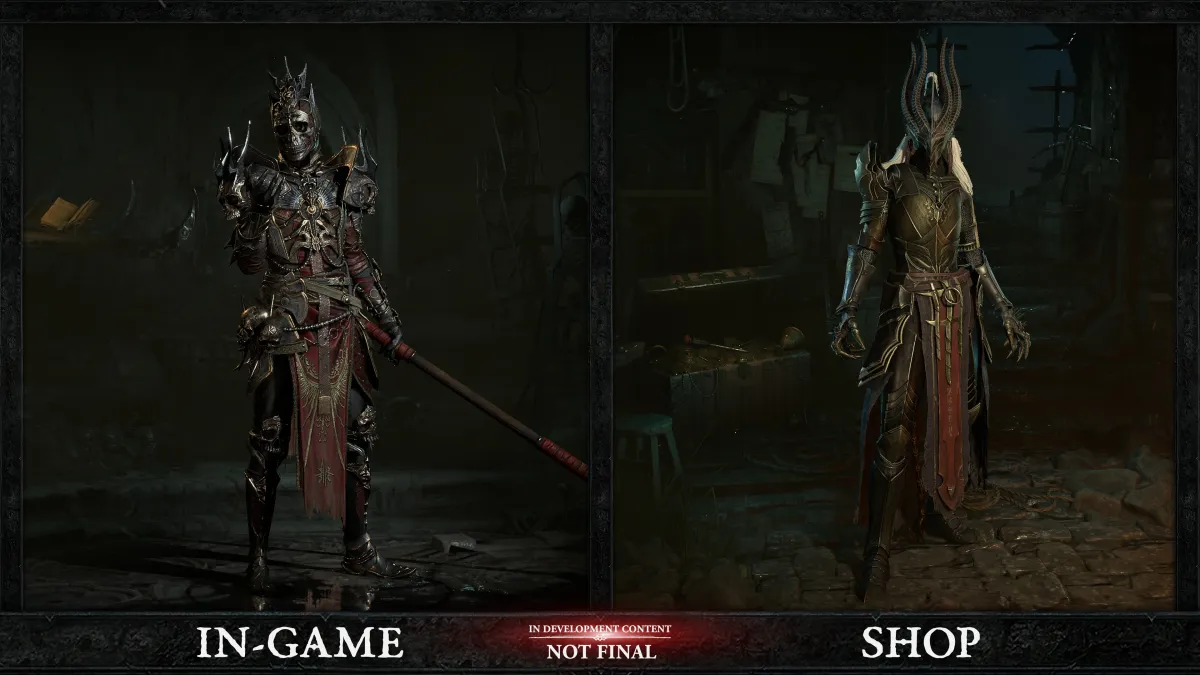 Photo: Diablo IV, via bnetcmsus-a.akamaihd.net
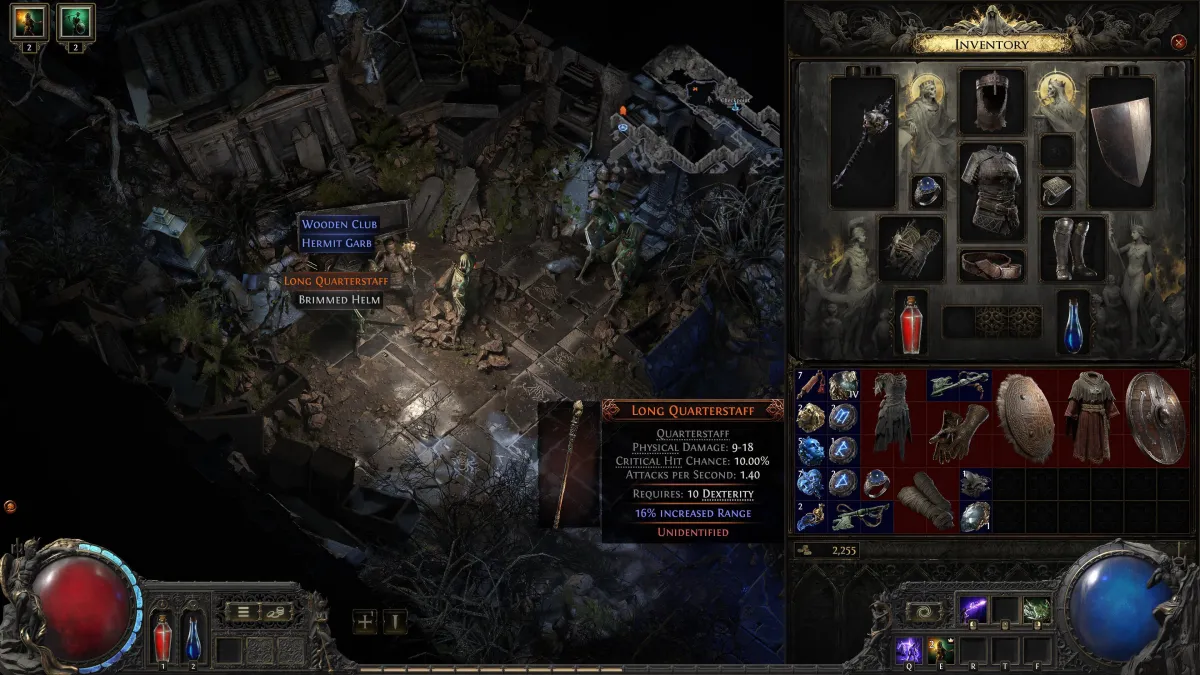 Photo: Path of Exile, via cdn2.unrealengine.com
The Rise of the Sideways Climb
Horizontal progression has become the darling of modern game design, and it's not hard to see why. Traditional level caps create a psychological cliff—hit max level, and suddenly the dopamine hit of "leveling up" disappears entirely. Players who've spent 40 hours climbing from level 1 to 50 suddenly find themselves in a post-progression wasteland, where the only rewards left are gear upgrades that feel incremental at best.
Enter horizontal systems. Destiny 2's seasonal artifact doesn't just give you more power—it unlocks entirely new mod combinations and playstyles that reshape how you approach encounters. Diablo IV's Paragon boards let you chase hyper-specific build optimizations that can take hundreds of hours to perfect. Path of Exile has turned horizontal progression into an art form, with passive trees so complex they require third-party tools just to navigate effectively.
The psychological trick is brilliant: instead of one finish line, there are dozens. Instead of "I'm done leveling," players think "I'm done with this build... time to try another." It's the difference between climbing a mountain with a summit and exploring an endless plateau with new vistas around every corner.
The Engagement Engine Behind the Curtain
But let's be honest about what's really driving this shift. Horizontal progression isn't just about player satisfaction—it's about player retention in an era where live-service games live or die by their monthly active user counts. Traditional level caps create natural stopping points, moments where players feel "complete" and might wander off to other games. Horizontal systems eliminate those stopping points entirely.
Consider Destiny 2's approach: the seasonal artifact resets every few months, effectively erasing your horizontal progress and forcing you to start the sideways climb all over again. It's genius from a business perspective—players never truly "finish" progressing, so they never have a clean reason to leave. The same principle applies to Diablo IV's seasonal characters and Path of Exile's league mechanics.
This creates what I call the "progression treadmill"—you're always moving, always unlocking something new, but you're never actually getting closer to being "done." The question is whether this serves players or just serves engagement metrics.
The Good, The Bad, and The Grindy
When horizontal progression works, it's genuinely transformative. The best implementations—like Path of Exile's passive tree or Monster Hunter's weapon mastery systems—create genuine build diversity and player expression. Instead of everyone hitting level cap with identical power levels, you get a rich ecosystem of different approaches, specializations, and playstyles.
These systems also solve one of traditional RPGs' biggest problems: the mid-game power plateau. In a vertical system, levels 45-50 often feel identical because the stat increases become negligible. Horizontal progression keeps each unlock meaningful because it's changing how you play, not just making your numbers bigger.
But there's a dark side to this design philosophy. Many horizontal systems are just vertical progression in disguise—Paragon levels in Diablo IV still boil down to making your damage numbers bigger, they just do it through a more convoluted interface. Others create FOMO-driven engagement, where limited-time horizontal unlocks pressure players to grind during specific windows or miss out permanently.
Worst of all, some developers use horizontal progression to hide the fact that their endgame content is thin. Why create more dungeons when you can create 500 more passive nodes to unlock? It's cheaper to build a bigger progression web than to build more actual game content.
The Player Perspective: Freedom or Fatigue?
The player response to horizontal progression has been fascinatingly divided. Hardcore players love the depth and build diversity these systems enable. The Path of Exile community has embraced the complexity, turning build planning into its own metagame with dedicated tools, guides, and theory-crafting communities.
But casual players often feel overwhelmed. Where a simple level cap provided clear goals and completion, horizontal systems can feel intimidating and endless. The fear of "building wrong" or missing out on optimal progression paths creates analysis paralysis. Some players report feeling more stressed about their character builds than excited about them.
There's also the time investment factor. Horizontal progression systems often require significantly more hours to fully explore than traditional leveling. While that's great for players who want hundreds of hours of content, it can feel exclusionary to those who prefer more structured, completable experiences.
The Future of Never Being Done
As we look ahead, horizontal progression seems poised to become the standard rather than the exception. Upcoming titles are already embracing these systems, and even traditionally single-player RPGs are experimenting with endless progression mechanics.
The key question isn't whether horizontal progression is here to stay—it clearly is. The question is whether developers can implement these systems in ways that genuinely serve player enjoyment rather than just engagement metrics. The best horizontal progression systems feel like playgrounds for experimentation and creativity. The worst feel like hamster wheels designed to keep you running in place.
Ultimately, horizontal progression represents both the best and worst impulses of modern game design: the genuine desire to create deeper, more expressive character systems, and the cynical need to keep players grinding indefinitely. Whether any individual game tips toward the former or the latter depends entirely on the developers' priorities and the players' willingness to call out the difference.
The level cap is dead—long live the endless plateau.