
The Moment of Truth
There's a specific feeling that hits when you see those final XP numbers tick over to max level. It's part triumph, part relief, and — if you're playing the wrong game — part existential dread. Because in that moment, you're about to find out whether the developers actually thought past the level cap, or if they just hoped you'd quit before getting there.
Welcome to the level cap lottery, where hitting the ceiling reveals whether a game respects your time or considers you a problem to be solved.
The Winners: Games That Keep the Party Going
Destiny 2 figured this out early. Hit the soft cap? Congratulations, you've unlocked the real game. The power level system creates a tiered progression where casual play gets you to the soft cap, dedicated grinding pushes you to the hard cap, and pinnacle activities squeeze out those final few points to the absolute ceiling. Even then, seasonal artifact mods and champion modifications ensure that a max-level Guardian isn't just spinning their wheels.
It's a system that acknowledges a fundamental truth: players who invest hundreds of hours deserve more than a pat on the head and a "thanks for playing" screen.
Diablo IV took notes from its predecessor's mistakes. Where Diablo III initially fumbled endgame progression, the latest entry embraces paragon levels as infinite progression with meaningful choices. Each paragon point isn't just a number going up — it's a decision about how to specialize your character further. The game doesn't pretend that level 100 is the end; it's honest about being the beginning of true character optimization.
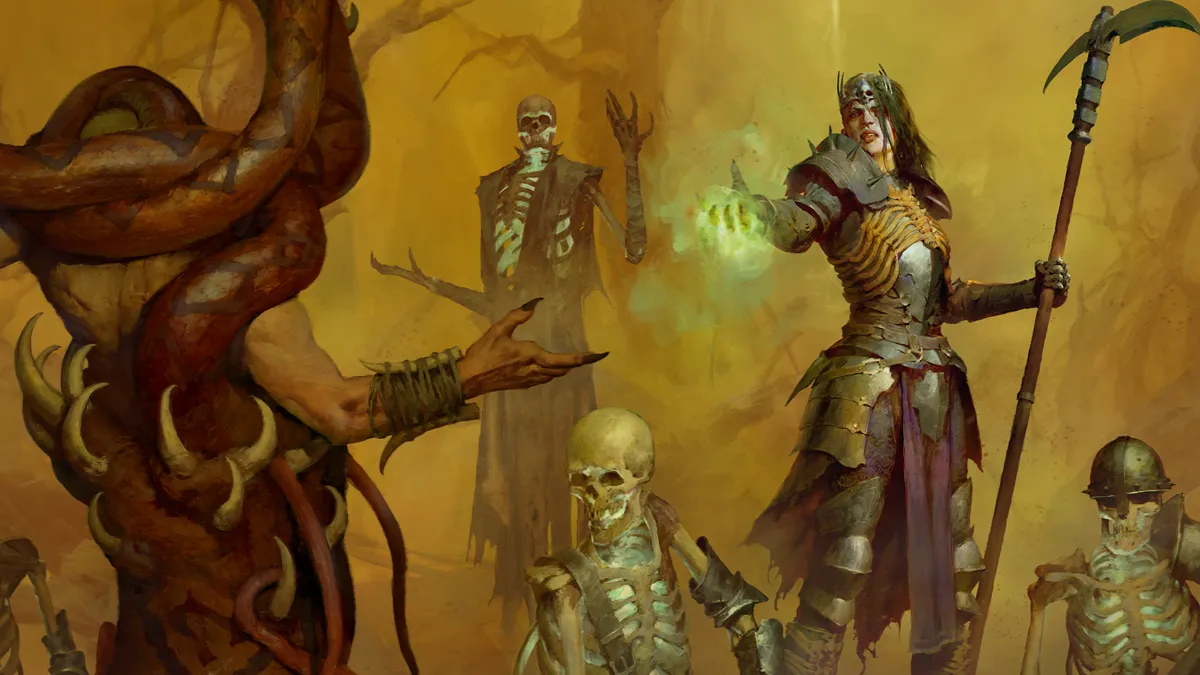 Photo: Diablo IV, via sm.ign.com
World of Warcraft remains the gold standard for post-cap engagement, though not always for the right reasons. The game has perfected the art of making max level feel like a starting line rather than a finish line. Reputation grinds, artifact power, covenant progression, and now the Dragon Isles' renown system ensure that hitting the level cap is just your entry ticket to the real progression systems.
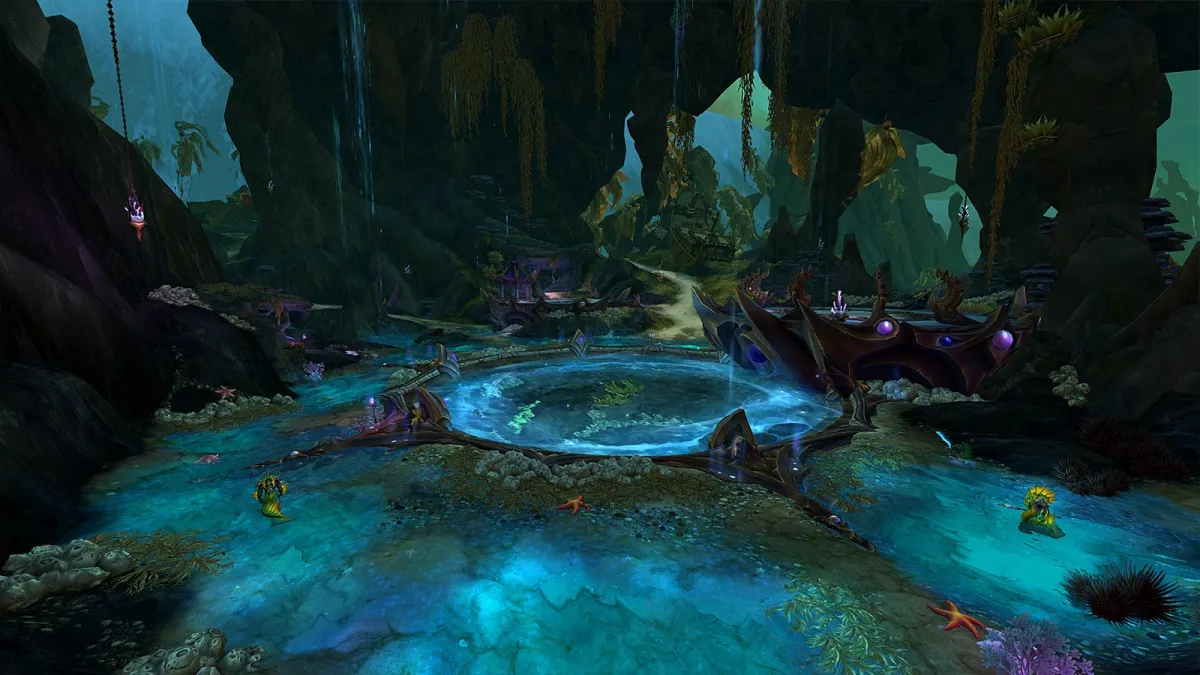 Photo: World of Warcraft, via assetsio.reedpopcdn.com
The Losers: When the Music Stops
Then there are the games that treat max level like a brick wall. These titles front-load their progression systems, shower you with constant rewards and upgrades for 40-60 hours, then abruptly cut off the dopamine drip the moment you hit their arbitrary ceiling.
Classic JRPGs are notorious for this. You grind your way to level 99, defeat the final boss, and... that's it. The credits roll, and all that character progression becomes meaningless. It's like spending months training for a marathon only to be told the race is actually a 5K.
Even modern titles fall into this trap. Many single-player RPGs still treat the level cap as a hard stop, offering nothing but achievement hunting and New Game+ modes for players who want to keep engaging with their character builds.
The Business Logic Behind the Divide
The difference isn't accidental — it's philosophical. Games with robust post-cap progression are designed as ongoing relationships. They need players to stick around for months or years, whether for subscription revenue, microtransaction opportunities, or simply to maintain healthy multiplayer populations.
Games that lock the door at max level are often designed as products to be consumed and completed. There's nothing inherently wrong with this approach, but it creates a jarring disconnect when the journey to max level feels like a live-service grind but the destination feels like a single-player ending.
What Your Favorite Game's Approach Says About You
Here's the uncomfortable truth: how a game handles post-cap progression reveals how much the developers actually value their most dedicated players. Games that offer meaningful progression past the cap are saying "we built this for you to live in." Games that don't are saying "we built this for you to finish."
The most insidious version of this is the live-service game that promises ongoing content but delivers a progression system that effectively ends at max level. These games want the engagement patterns of an MMO but only built the progression depth of a traditional RPG.
The Psychology of the Plateau
There's genuine psychology at work here. The moment progression stops, many players experience what researchers call "goal gradient effect" in reverse — instead of accelerating toward a goal, they lose motivation entirely when they realize there's nowhere left to go.
Smart developers understand that progression doesn't have to mean bigger numbers. Horizontal progression through cosmetics, titles, achievements, or new gameplay modes can satisfy the same psychological need without breaking game balance.
The Future of the Cap
The industry is slowly learning that the level cap moment is make-or-break for player retention. More games are adopting hybrid approaches: meaningful progression for dedicated players, without making casual players feel left behind.
The best modern games treat the level cap like a college graduation — you've completed the required coursework, but now the real specialization begins.
Hitting max level should feel like unlocking the game's true potential, not like being politely shown the door.