The Mod Wall: How Publishers Are Quietly Closing the Door on PC Gaming's Most Vital Community
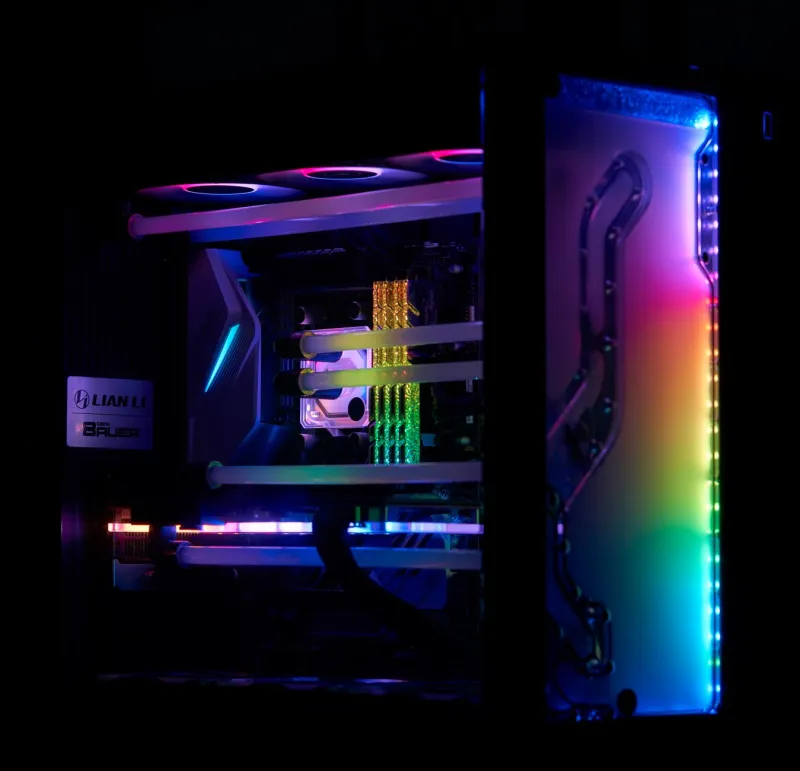
If you want a case study in how publishers have historically gotten away with shipping broken or incomplete games, look no further than the modding community. For decades, PC players have done the work that developers either couldn't finish or didn't bother to — fixing bugs, restoring cut content, rebuilding UI systems, and in some cases remaking entire games from the ground up. The modding community didn't just extend the life of PC gaming's greatest hits. In many cases, it saved them.
But in 2026, that relationship is under more strain than it's ever been. And the pressure isn't coming from one direction — it's a slow squeeze from multiple sides simultaneously.
What's Actually Happening
The most visible friction point right now is kernel-level anti-cheat software. Systems like these sit deep in your operating system, running with elevated privileges to detect cheating in multiplayer games. The problem is that they frequently flag or block modding tools as unauthorized modifications — even in single-player contexts where cheating is irrelevant. Several major PC launches in 2026 have shipped with anti-cheat implementations that make modding anywhere from difficult to functionally impossible, regardless of whether the game has a competitive multiplayer component.
The modding community has pushed back loudly on this, and with good reason. Anti-cheat software operating at the kernel level is a legitimate security concern independent of its impact on mods — security researchers have flagged vulnerabilities in multiple implementations. But publishers are under pressure from competitive players and esports organizations to lock down their titles, and kernel-level anti-cheat is the current industry-standard response. The collateral damage to modding is, from a publisher's perspective, an acceptable trade-off. From the modding community's perspective, it's anything but.
The Monetization Conflict
Anti-cheat is only part of the story. The bigger, slower-moving problem is the collision between modding culture and live-service monetization.
Here's the core tension: a live-service game makes money by selling cosmetics, battle passes, and premium currency. Mods that add free cosmetics — custom character skins, weapon models, UI overhauls — directly compete with that revenue stream. Publishers have become increasingly aggressive about protecting it. End-user license agreements for several major 2026 titles include language that explicitly prohibits mods that 'replicate, substitute for, or diminish the value of purchasable in-game content.' That's a broad definition, and it's intentionally so.
Enforcement is inconsistent, which might actually be worse than a clear policy. Some modders have received takedown notices for content that appears to fall within what the EULA permits. Others have published far more expansive mods without any response. The ambiguity is chilling — creators who've spent hundreds of hours on projects are increasingly reluctant to publish them because they can't predict whether they'll be allowed to stand.
A few publishers have tried to thread this needle by creating official modding platforms with curated permissions — essentially a walled garden where mods are allowed within defined parameters. The intent is reasonable. The execution has frequently been frustrating, with approval processes that take weeks, content restrictions that feel arbitrary, and mod tools that lag significantly behind what the community could build with full access.
The Case Studies That Matter
Without naming titles that may have shifted policy since the time of writing, the pattern in 2026 has been consistent: open-world RPGs with strong single-player communities have generally maintained modding-friendly stances, understanding that community-created content extends their games' relevance for years beyond the initial release window. A modded playthrough shared on social media is free marketing. Studios that understand this tend to be the ones that came up in the PC space, where modding culture is part of the DNA.
By contrast, titles with significant multiplayer components — even those where modding would logically be confined to private servers or single-player modes — have trended toward restriction. The fear of a modded exploit making its way into competitive play is real, but the response has frequently been disproportionate, locking down the entire game rather than implementing context-aware restrictions.
The indie space remains a bright spot. Several smaller studios have released their mod tools alongside the base game, treating the modding community as a development partner rather than a liability. The results speak for themselves — some of 2026's most-discussed PC releases are titles that launched with robust mod support baked in from day one, and their community engagement metrics reflect it.
What the Community Is Doing About It
Modders aren't passive in this fight. The response has been a mix of technical workarounds, advocacy, and a quiet migration toward games and platforms that remain hospitable.
On the technical side, the cat-and-mouse dynamic between anti-cheat systems and modding tools is as active as it's ever been. But the arms race is exhausting, and it's burning out some of the community's most experienced contributors. When keeping a mod functional requires constant maintenance against a publisher's active countermeasures, the hobbyist appeal disappears fast.
Advocacy efforts have had mixed results. Petitions and community letters have occasionally prompted publishers to revise their policies, but the wins have been incremental. The more significant pressure has come from gaming press coverage — publishers are sensitive to narratives about anti-consumer behavior, and several policy reversals in the past year have followed sustained critical coverage rather than community petitions alone.
The migration trend is perhaps the most significant long-term signal. PC players who prioritize moddability are increasingly vocal about factoring it into their purchasing decisions. Forums and communities dedicated to heavily modded games are explicitly recommending against titles with restrictive policies, and those recommendations carry weight in communities where word-of-mouth drives a significant portion of sales.
What's at Stake
The modding community has created entire genres. The real-time strategy genre as we know it emerged from a Warcraft III mod. The battle royale genre — now worth billions — started as a ARMA mod. Dota, Team Fortress, Counter-Strike — all mods. The economic value that has flowed to publishers from community-created content is incalculable, and the irony of those same publishers now restricting the communities that built their industries is not lost on anyone paying attention.
If the current trajectory continues — more restrictive anti-cheat, more aggressive monetization protection, less transparent EULA enforcement — the modding community doesn't disappear. It fragments. It migrates to the games and platforms that still welcome it. And the publishers who closed the door are left with live-service titles that need to sustain their own communities without the free labor that modding has historically provided.
That's a harder problem to solve than the one they created it to avoid.