
Every major game launch follows the same script. The marketing team rolls out glossy trailers showcasing sprawling endgame content, promising months or even years of post-max-level adventures. Developers take the stage at gaming conventions, eyes gleaming as they describe elaborate raid systems, seasonal events, and evolving narratives that will keep players engaged long after they've hit the level cap. Then launch day arrives, players race to max level in record time, and suddenly those promised features start disappearing faster than a battle royale lobby at 3 AM.
The Hall of Broken Promises
The evidence is overwhelming, and it spans every major publisher in the industry. Anthem promised a living world with constantly evolving content, complete with seasonal events and major story expansions. What players got was a handful of recycled missions and radio silence before BioWare effectively pulled the plug. Destiny launched with promises of regular raids and meaningful endgame progression, only to leave players grinding the same three strikes for months while Bungie figured out what to do next.
More recently, we've seen similar patterns with Marvel's Avengers, which promised a robust post-launch content pipeline featuring new heroes and storylines. Crystal Dynamics delivered a fraction of what was promised before quietly winding down support. Even successful titles like Fallout 76 spent years trying to deliver on the ambitious post-launch roadmap that Bethesda confidently presented before launch.
The pattern is so consistent it's become predictable: ambitious promises during marketing, a barebones endgame at launch, followed by either slow content delivery that fails to match the hype, or complete abandonment of the promised features.
The Development Reality Check
To understand why this keeps happening, you need to look behind the curtain at modern game development. Studios are under immense pressure to generate pre-launch buzz and secure pre-orders, which means marketing teams are making promises based on development roadmaps that exist more in hope than reality.
Game development is notoriously unpredictable. Features that look solid on paper can prove technically impossible to implement, or require so much development time that they'd delay the entire project. When crunch time hits and studios need to choose between shipping on schedule or delivering promised endgame content, the choice is obvious: ship now, promise to add content later.
The financial incentives make this worse. Publishers need to hit quarterly earnings targets, which means getting games out the door and generating revenue. Post-launch content can be developed with a smaller team over a longer timeline, theoretically reducing costs while maintaining player engagement. In practice, this often means promising features that the studio never had the resources to properly develop.
The Live-Service Lie
The rise of live-service gaming has made this problem exponentially worse. The live-service model is built on the promise of evolving content, which gives marketing departments a blank check to promise virtually anything. Players are asked to invest not just in the game as it exists at launch, but in the potential of what it might become.
This creates a perverse incentive structure where studios benefit from overpromising. A game with ambitious endgame promises generates more pre-orders and day-one sales than one that honestly represents its launch content. By the time players realize the promised features aren't coming, the studio has already captured most of the revenue they're going to see from that title.
The most insidious part is how studios have learned to weaponize player optimism. They know that dedicated fans will defend delayed or missing features, arguing that the developers just need more time to get it right. This gives studios cover to indefinitely delay promised content while maintaining a core player base.
The Cost of Broken Trust
The long-term consequences of this pattern extend far beyond individual disappointed players. The gaming community has become increasingly cynical about post-launch promises, and rightfully so. When No Man's Sky eventually delivered on many of its promises years after launch, it was treated as a miraculous redemption story rather than the expected outcome.
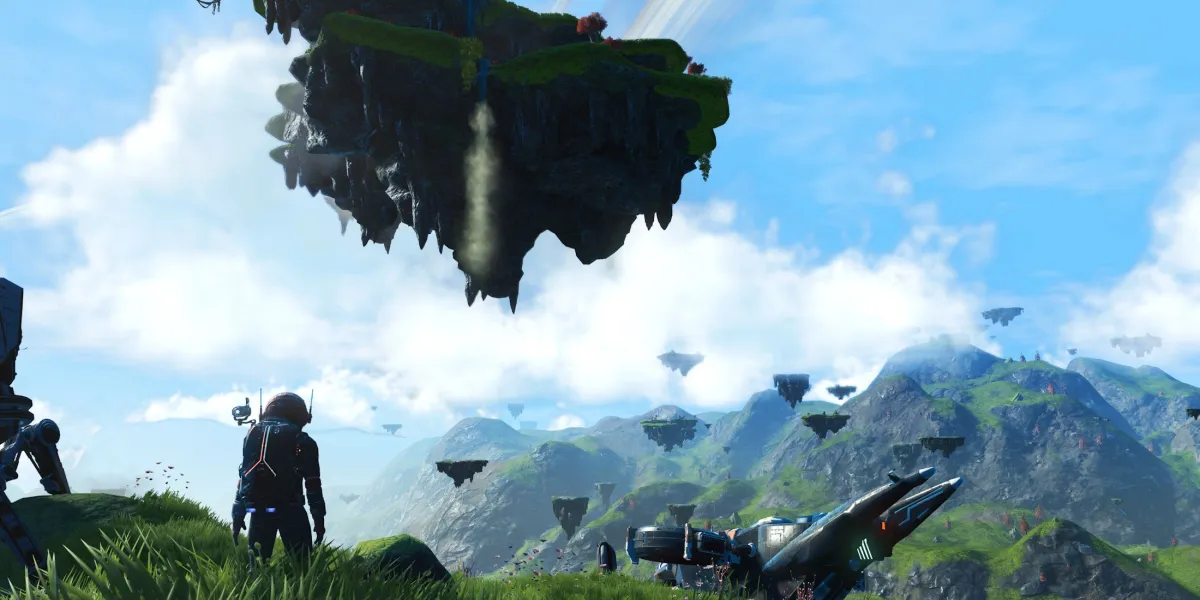 Photo: No Man's Sky, via static0.gamerantimages.com
This erosion of trust hurts the entire industry. Players are less willing to invest in live-service titles at launch, preferring to wait months or years to see if promised content actually materializes. This creates a self-fulfilling prophecy where games fail to maintain player populations needed to justify continued development.
Should Players Stop Believing?
The uncomfortable truth is that players should probably stop factoring promised post-launch content into their purchase decisions entirely. Judge games based on what they offer at launch, not what developers promise they might offer later. If a game needs promised endgame content to justify its price tag, it's probably not worth buying at launch.
This doesn't mean all post-launch promises are lies, but the track record is bad enough that skepticism should be the default position. Studios that consistently deliver on their promises—like Digital Extremes with Warframe or Grinding Gear Games with Path of Exile—have earned the benefit of the doubt through years of proven execution.
The Path Forward
The solution isn't to eliminate post-launch content entirely, but to fundamentally change how it's marketed and promised. Studios should focus on delivering complete, satisfying experiences at launch, with post-launch content as a bonus rather than a requirement for the game to feel complete.
Until the industry learns to under-promise and over-deliver rather than the reverse, players should treat marketing promises about endgame content with the same skepticism they'd apply to any other advertising claim.
The next time a developer takes the stage to promise revolutionary post-cap content, remember: in gaming, overtime promises usually end up being just another form of crunch—for the players.