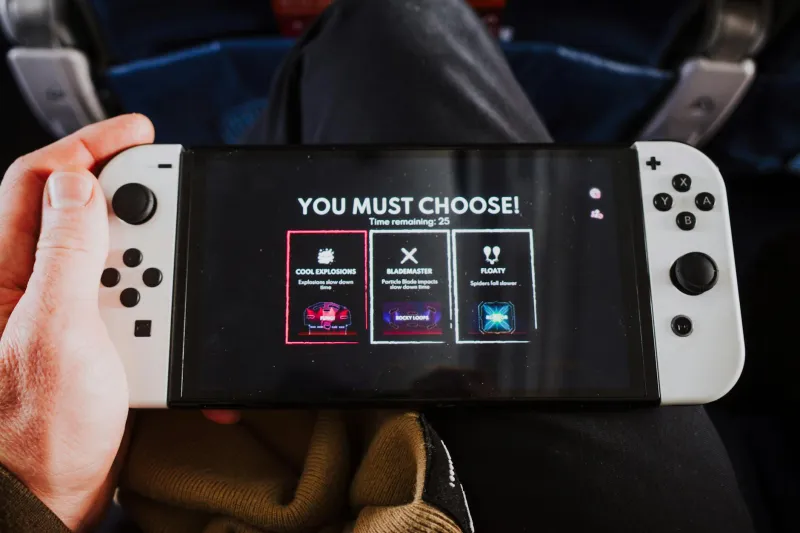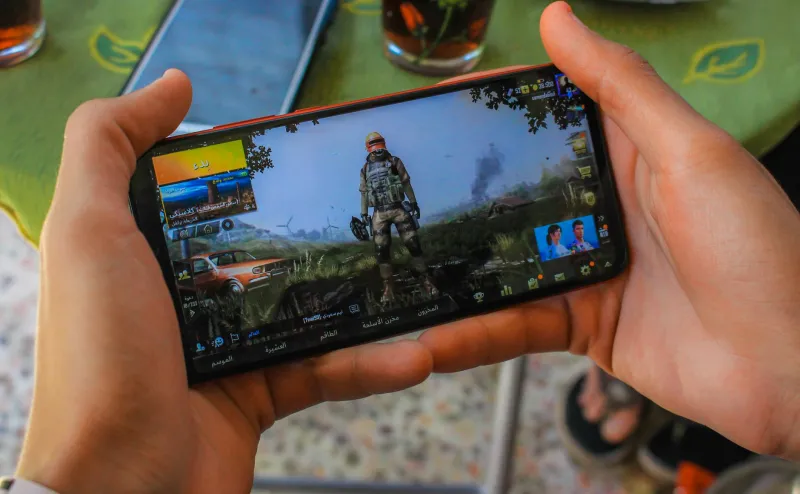
There's a moment every live-service player knows intimately: you log in, complete your daily quests, and realize the XP bar at the bottom of your screen has vanished. No more satisfying dings. No more progress bars creeping toward completion. No more numerical validation that your time investment matters. You've hit max level, and suddenly, the game feels like it's given you a pink slip.
The Psychology of the Progress Cliff
For months, maybe years, you've been conditioned to expect constant feedback. Every enemy killed, every quest completed, every login bonus claimed has contributed to that ever-present progress bar. Behavioral psychologists call this "variable ratio reinforcement" — the same mechanism that makes slot machines so addictive. But unlike a casino, live-service games eventually stop paying out entirely.
"It's like being promoted to a job where nobody tells you if you're doing well anymore," explains Dr. Sarah Chen, a behavioral economist who studies gaming motivation. "The extrinsic rewards that kept players engaged suddenly disappear, and most people haven't developed the intrinsic motivation to replace them."
This isn't just academic theory. Talk to any Destiny 2 veteran about the feeling of hitting the seasonal power cap, or ask a World of Warcraft player about those first few weeks at max level before raid content drops. The common thread is a profound sense of purposelessness that developers seem to either ignore or fundamentally misunderstand.
When Games Forget How to Celebrate Success
The most successful live-service games understand that reaching max level should feel like a graduation, not a termination. Yet too many titles treat the level cap as a finish line rather than a starting gate. The problem isn't just mechanical — it's emotional.
Consider Fortnite's approach to progression. Even when players max out their Battle Pass, the game continues providing feedback through daily challenges, creative mode achievements, and seasonal events. The progression never truly stops; it just transforms. Compare this to games like Anthem or Marvel's Avengers, which essentially told players "congratulations, you're done" once they hit the power ceiling.
"The best live-service games make hitting max level feel like getting promoted to management," says longtime MMO player Marcus Rodriguez, who's reached endgame in over a dozen different titles. "The worst ones make it feel like getting laid off."
The Prestige Paradox
Some games attempt to solve this with prestige systems — essentially resetting your level to start the climb again. But these often miss the mark by treating progression as purely numerical rather than meaningful. Call of Duty's prestige system works because each reset comes with tangible benefits and social recognition. But when games like Borderlands 3 introduced similar mechanics without clear value propositions, players felt cheated rather than rewarded.
The issue lies in understanding what players actually want from progression. It's not just about numbers going up — it's about feeling valued, recognized, and continuously challenged. When a game stops acknowledging your investment, it breaks the psychological contract that kept you playing.
Designing for the Long Game
Smart developers are starting to recognize this problem. Guild Wars 2's mastery system provides horizontal progression that feels meaningful without trivializing the level cap achievement. Path of Exile's Atlas passive tree gives endgame players genuine choices that affect their experience. These games understand that hitting max level should unlock new forms of progression, not eliminate progression entirely.
The solution isn't necessarily more content — it's smarter feedback systems. Players need to feel like their continued investment matters, whether through cosmetic unlocks, social recognition, seasonal rankings, or simply better integration with the game's core loop.
The Retention Reality Check
From a business perspective, this isn't just about player satisfaction — it's about retention. Players who feel abandoned at max level are players who stop logging in daily. They're less likely to purchase seasonal content, less likely to engage with events, and more likely to move on to competitors.
"We've seen this pattern across multiple titles," notes game analytics consultant Jennifer Park. "Player engagement drops dramatically in the weeks following level cap achievement if there isn't a clear progression path forward. The games that maintain engagement treat max level as a beginning, not an ending."
The Emotional Economics of Endgame
Ultimately, the prestige problem reveals a fundamental misunderstanding of player psychology. Live-service games succeed by creating habits, and habits require consistent reinforcement. When that reinforcement disappears at max level, the habit breaks down.
The games that will dominate the next generation of live-service titles won't be those with the most content or the flashiest graphics — they'll be the ones that understand how to make players feel valued throughout their entire journey, especially after they've invested hundreds of hours reaching the supposed "end."
Hitting max level should feel like earning your PhD, not getting fired from a job you loved.