The Replay Gap: Why Americans Replay Sports and Strategy Games Endlessly — But Almost Never Replay Story Games

Here's a stat that should terrify every narrative game developer: According to PlayStation's internal data, less than 12% of American players who complete a story-driven game ever start it again. Meanwhile, the average FIFA player logs over 200 hours per annual release, and Civilization VI players average 180+ hours despite the game launching eight years ago.
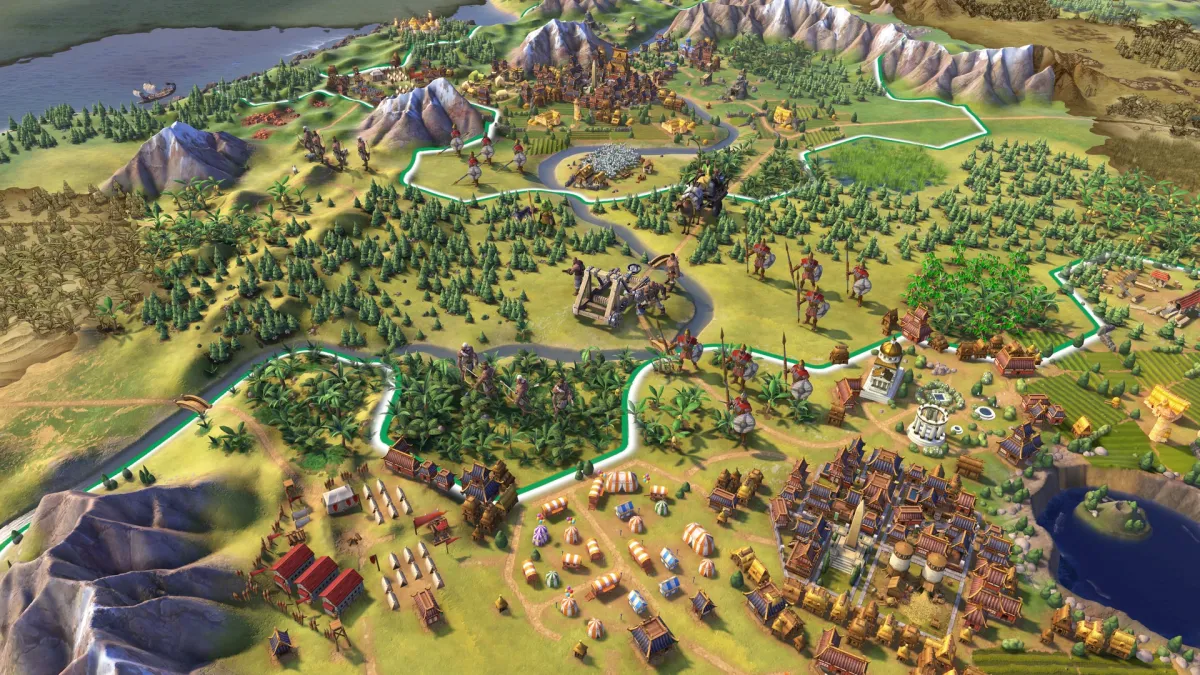 Photo: Civilization VI, via img.gg.deals
This isn't just a quirk of American gaming culture — it's a fundamental mismatch between what developers think players want and how US gamers actually behave. Studios are spending millions on branching narratives, multiple endings, and elaborate New Game+ modes for an audience that treats story games like movies: watch once, maybe recommend to friends, never revisit.
The question isn't whether this is good or bad. The question is whether the gaming industry understands what it means.
The Numbers Don't Lie
Sports Games: The Endless Loop
American sports game players exhibit replay behavior that borders on obsessive. Madden NFL players average 150+ hours per annual release. NBA 2K sees similar numbers. These aren't just casual sessions — they're deep, sustained engagement that spans the entire sports calendar.
The secret? Sports games tap into something fundamental about American sports culture: the season never really ends. When the Super Bowl concludes, draft season begins. When the draft ends, training camp starts. Sports games mirror this endless cycle, providing new reasons to engage year-round through roster updates, seasonal events, and fantasy integration.
 Photo: Super Bowl, via doquizzes.com
EA Sports FC (formerly FIFA) takes this even further. American players who engage with Ultimate Team mode average 250+ hours per year, treating the game less like entertainment and more like a hobby. The combination of real-world soccer seasons, weekly content drops, and competitive multiplayer creates a gameplay loop that genuinely never ends.
Strategy Games: The Optimization Addiction
Civilization VI launched in 2016. In 2026, it still maintains over 50,000 concurrent players on Steam, with American users representing the largest single demographic. These players aren't just replaying the game — they're optimizing it.
Every Civ campaign offers genuinely different strategic challenges. Different civilizations, different map types, different victory conditions, different difficulty levels. But more importantly, every campaign teaches you something that makes the next one more interesting. That's the optimization loop that strategy games excel at: each playthrough makes you better at the next one.
XCOM 2 demonstrates this perfectly. The average American player completes the campaign 3.2 times — not because they're chasing different story outcomes, but because they want to perfect their tactical approach. Ironman mode, higher difficulties, self-imposed challenges — strategy games give players tools to create their own replay value.
The Story Game Wall
The One-and-Done Problem
Meanwhile, story-driven games face a brutal reality: completion rates are low, and replay rates are even lower. The Last of Us Part II has a 58% completion rate among players who start it — respectable for a 25-hour game. But only 8% of those completers ever start a second playthrough.
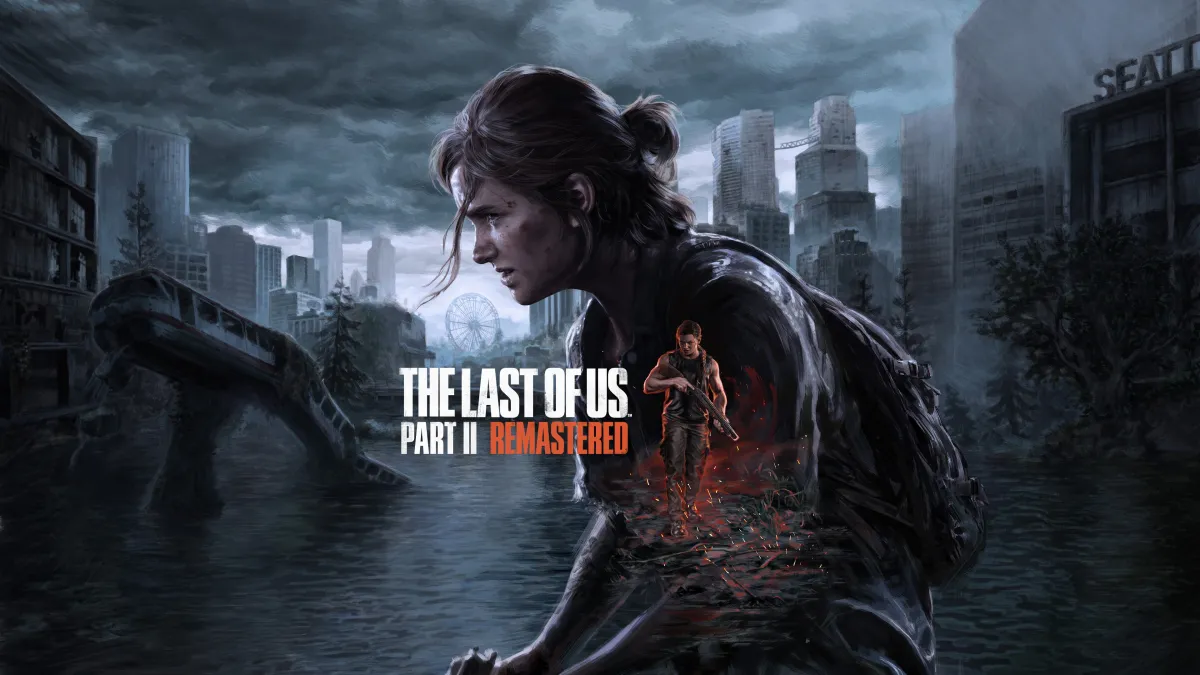 Photo: The Last of Us Part II, via image.api.playstation.com
The Witcher 3, despite offering genuinely different story outcomes based on player choices, sees replay rates under 15%. Mass Effect Legendary Edition, a collection specifically designed around replay value and different story paths, struggles to maintain engagement beyond the first playthrough for most players.
The problem isn't quality — these are universally praised games. The problem is that story games are fighting against how Americans consume narrative entertainment.
The Netflix Comparison
Americans don't rewatch TV shows. According to Netflix's own data, less than 5% of US subscribers rewatch completed series within two years of finishing them. We're a culture that values novelty over repetition when it comes to narrative content.
This creates a fundamental tension for game developers. They're trying to create replay value in a medium where the primary audience treats narrative consumption as a one-time experience. It's like designing a book that's meant to be read multiple times for a culture that rarely rereads anything.
Why the Gap Exists
Cultural Factors
American gaming culture prioritizes efficiency and novelty. We're the market that made achievement hunting mainstream, that drives the "backlog culture" of constantly buying new games, that treats completion as conquest rather than experience.
When faced with replaying a 60-hour RPG or starting a new 60-hour RPG, American players overwhelmingly choose novelty. The same cultural forces that drive our entertainment consumption — always seeking the next show, the next movie, the next experience — apply to story games.
Sports and strategy games bypass this cultural bias by offering genuinely different experiences each time. Every Madden season plays differently because rosters change, strategies evolve, and player skills improve. Every Civilization campaign feels unique because the strategic landscape shifts constantly.
Design Philosophy Mismatch
Story game developers often misunderstand what creates replay value. They focus on branching narratives and multiple endings — essentially asking players to replay 40+ hours of content to see 2-3 hours of different scenes.
Compare this to Hades, which offers different story beats and character interactions on every run, but structures those runs as 30-45 minute sessions rather than multi-hour commitments. American players replayed Hades obsessively because it respected their time while providing meaningful variation.
The Investment Paradox
There's a paradox in how Americans approach game replay: the more invested we become in a story, the less likely we are to replay it. Completing Red Dead Redemption 2 feels like finishing a great novel — emotionally satisfying but complete. Starting over feels like diminishing that emotional impact.
Sports and strategy games don't have this problem because they're not asking for emotional investment in predetermined outcomes. They're asking for investment in systems, mechanics, and personal improvement.
What Developers Can Learn
Lesson 1: Respect Player Time
Games that succeed at American replay understand that time is the most valuable currency. Rocket League matches last 5-10 minutes. Hearthstone games rarely exceed 15 minutes. Even Civilization's "one more turn" addiction works because each turn feels manageable.
Story games asking for 60+ hour replays are fighting against American cultural expectations around time investment and entertainment value.
Lesson 2: Systems Over Stories
The most replayed games focus on systemic depth rather than narrative complexity. Minecraft, Terraria, Cities: Skylines — these games create replay value through emergent gameplay rather than authored content.
When story games do achieve high replay rates, it's usually because they offer systemic variety alongside narrative choice. Baldur's Gate 3's replay success comes from its D&D systems creating genuinely different gameplay experiences, not just different story outcomes.
Lesson 3: Competitive and Social Elements
Sports games maintain engagement through competition and social connection. Fantasy leagues, online seasons, and competitive modes create reasons to keep playing beyond the single-player experience.
Story games that incorporate multiplayer elements — It Takes Two, A Way Out, Divinity: Original Sin 2 — see higher replay rates because they become social experiences rather than solitary narrative consumption.
The Future of Replay Value
The industry is slowly adapting to American replay preferences. Live-service elements in traditionally single-player games, procedural generation in narrative titles, and shorter, more focused story experiences all represent attempts to bridge the replay gap.
Returnal succeeded by combining roguelike replay mechanics with narrative progression. Deathloop created a story game designed around repetition. Outer Wilds made replay discovery rather than repetition.
These games understand that American players will replay experiences that feel genuinely different each time, but they won't replay experiences that feel like homework.
The Bottom Line
The replay gap isn't a problem to be solved — it's a cultural reality to be understood. American gamers have different expectations for different types of entertainment, and successful games work with those expectations rather than against them.
Sports games succeed because they mirror American sports culture's endless cycles. Strategy games succeed because they reward optimization and improvement. Story games struggle because they're asking players to behave in ways that contradict broader American entertainment consumption patterns.
The studios that understand this distinction are the ones creating sustainable, long-term engagement with American audiences. The ones that don't are spending millions on replay features that most players will never use.
Sometimes the best way to increase replay value is to stop trying to force it.