
Remember when hitting max level meant something? When reaching that coveted cap number felt like crossing a finish line, not falling off a cliff? Those days are dead and buried, replaced by something far more insidious: the battle pass expiration date. Modern games have traded the satisfaction of a hard ceiling for the anxiety of a ticking clock, and it's fundamentally changed how we experience progression in ways that make traditional level caps look downright generous.
The Psychological Cage of Seasonal Content
The traditional level cap was brutal but honest. Hit level 50, 100, or whatever arbitrary number the developers chose, and that was it — you were done. Sure, it could feel anticlimactic, but at least your progress was permanent. You earned those levels, and nobody could take them away.
Battle passes flipped this dynamic entirely. Instead of working toward a permanent achievement, players now chase rewards that expire whether they've earned them or not. Miss a few weeks of Fortnite? Too bad — that exclusive skin is gone forever. Take a break from Apex Legends during a busy month? Hope you didn't want that weapon charm, because it's locked away in digital purgatory.
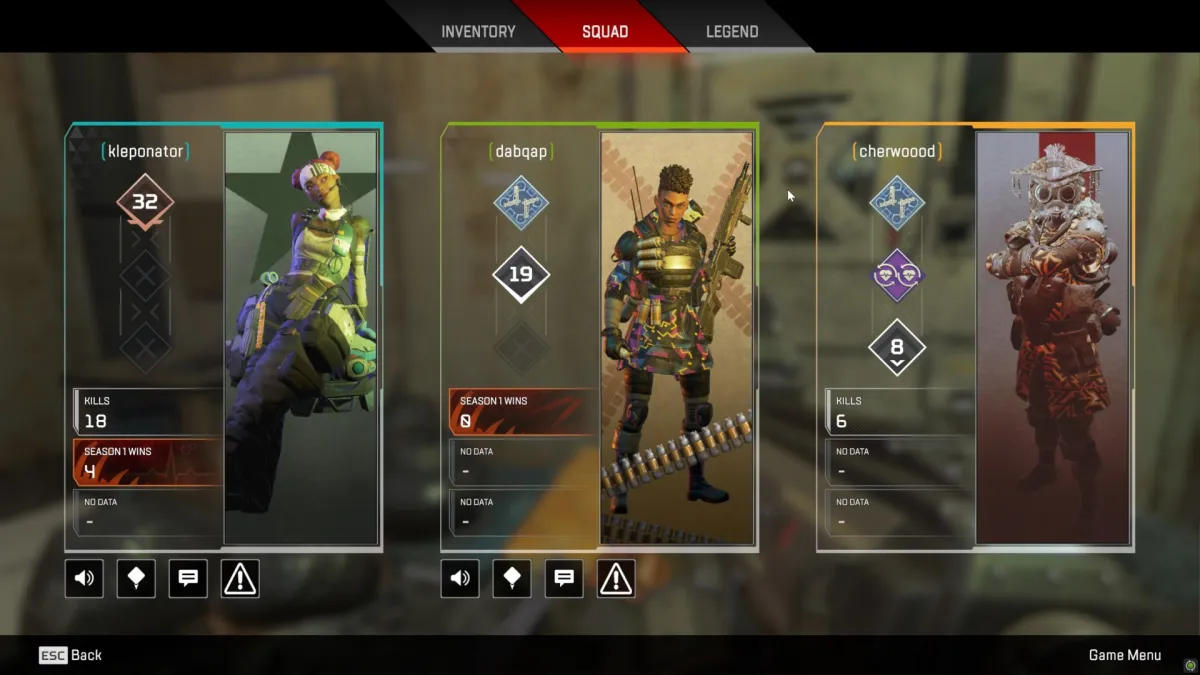 Photo: Apex Legends, via interfaceingame.com
This creates what psychologists call "loss aversion" — the fear of losing something feels twice as powerful as the joy of gaining it. Game developers have weaponized this principle, turning every battle pass into a 90-day hostage situation where your time is the ransom.
FOMO as the New Progression Wall
Traditional level caps created a natural stopping point. Players could take breaks, explore other games, or simply enjoy their achievements without penalty. The seasonal reset destroys this peace of mind, replacing it with Fear of Missing Out (FOMO) that never truly ends.
Every season brings new rewards, new time pressure, and new anxiety about falling behind. Players who once felt accomplished after reaching max level now feel perpetually behind, constantly chasing content that's designed to disappear. It's progression without progress — a hamster wheel disguised as a ladder.
The numbers tell the story. According to industry analytics, players spend 40% more time in games with seasonal battle passes compared to traditional progression systems. But this isn't because the games are more fun — it's because players feel trapped by artificial deadlines.
The 90-Day Cycle of Engagement
Most battle passes operate on roughly 90-day cycles, and this timing isn't accidental. It's long enough to feel substantial but short enough to create urgency. Three months gives developers time to create new content while ensuring players never get too comfortable with their achievements.
This cycle has become gaming's new heartbeat. Where once we measured progress in levels gained, we now measure it in seasons survived. Players plan their gaming schedules around battle pass launches, treating each season like a new job they can't afford to quit.
The seasonal model has also created a new class system within gaming communities. "Day One" players who complete every battle pass become the equivalent of max-level veterans, while casual players are perpetually marked as incomplete, their profiles showing gaps where exclusive rewards should be.
When Grinding Becomes Punishment
The cruelest aspect of seasonal resets is how they transform gaming achievements into anxiety sources. Traditional level caps might have felt limiting, but they respected player investment. Once you earned something, it stayed earned. Battle passes turn every reward into borrowed time.
This creates a perverse relationship with progression where players feel punished for taking breaks. Miss a week due to vacation, work, or simply wanting to play something else? The battle pass doesn't care about your life circumstances — the clock keeps ticking, and your investment begins to depreciate.
Compare this to classic RPGs where reaching max level meant unlocking new game modes, accessing endgame content, or simply enjoying the power you'd earned. Those games celebrated completion. Modern battle passes celebrate participation, but only if you participate constantly and consistently.
The Illusion of Value
Battle passes justify their existence by offering "value" — promising $100 worth of content for a $10 purchase. But this math only works if you complete the entire pass, and completion requires consistent engagement over months. It's like buying a gym membership that expires whether you use it or not, except the gym actively tries to make you feel guilty for missing workouts.
The real value proposition isn't about cosmetics or rewards — it's about selling time pressure as engagement. Players aren't paying for content; they're paying for the privilege of being stressed about completing content before it disappears forever.
Breaking Free from the Seasonal Cycle
Some developers are beginning to recognize the toxicity of forced seasonal resets. Games like Halo Infinite allow players to progress through old battle passes, acknowledging that time-limited progression creates more frustration than engagement. These systems prove that seasonal content can exist without the artificial urgency that makes battle passes feel like digital blackmail.
 Photo: Halo Infinite, via static0.gamerantimages.com
The most player-friendly approach combines the best of both worlds: new seasonal content that doesn't expire, allowing players to progress at their own pace while still providing regular updates and fresh experiences.
The Real Level Cap
The seasonal reset isn't just the new level cap — it's a worse level cap. At least traditional caps were honest about their limitations. Battle passes pretend to offer unlimited progression while actually creating arbitrary deadlines that reset your efforts every few months. They've transformed gaming from a hobby into a subscription service where your achievements have expiration dates.
Until developers recognize that player time should be respected, not exploited, we're all trapped in the seasonal reset cycle — perpetually grinding not toward completion, but toward the next reset that will wipe the slate clean and start the anxiety all over again.