The Skill Cap Paradox: Why the Games That Are Hardest to Master Are the Easiest to Love Long-Term

The Counterintuitive Truth
Here's a fact that breaks every conventional wisdom about game design: the harder a game is to master, the longer players stick around. While industry executives chase broad accessibility and gentle learning curves, the most enduring gaming communities have formed around titles that seem designed to crush your spirit.
Street Fighter 6 sold over 3 million copies in its first year, but that's not the remarkable part. The remarkable part is that Street Fighter 2, released in 1991, still draws tournament crowds and Twitch viewers 33 years later. Meanwhile, flavor-of-the-month battle royales with "approachable" skill floors cycle through their entire lifecycle in 18 months.
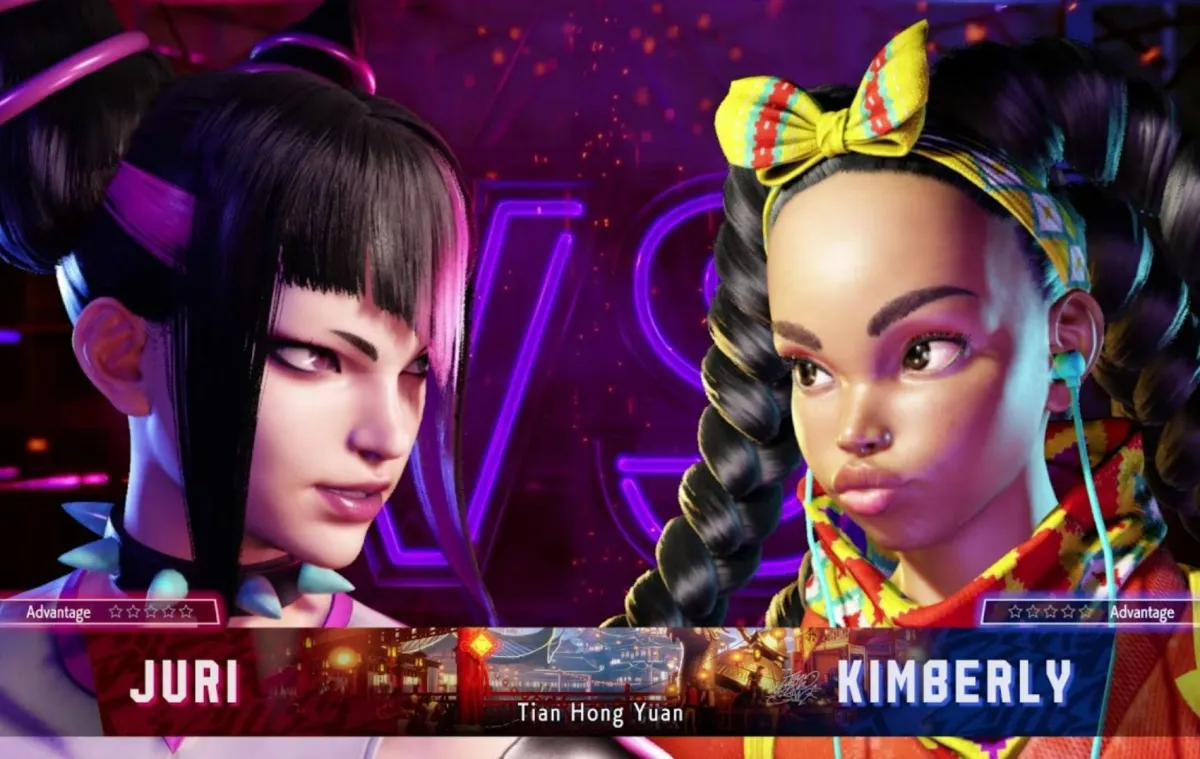 Photo: Street Fighter 6, via staticg.sportskeeda.com
This isn't an accident. It's the skill cap paradox in action.
The Depth Addiction
Rocket League perfectly illustrates this phenomenon. On paper, it's soccer with cars — a concept simple enough for a five-year-old to grasp. In practice, it's a physics-based nightmare where the skill ceiling extends into the stratosphere. Pro players are still discovering new techniques eight years after launch, and the gap between bronze and champion players is measured in different universes of understanding.
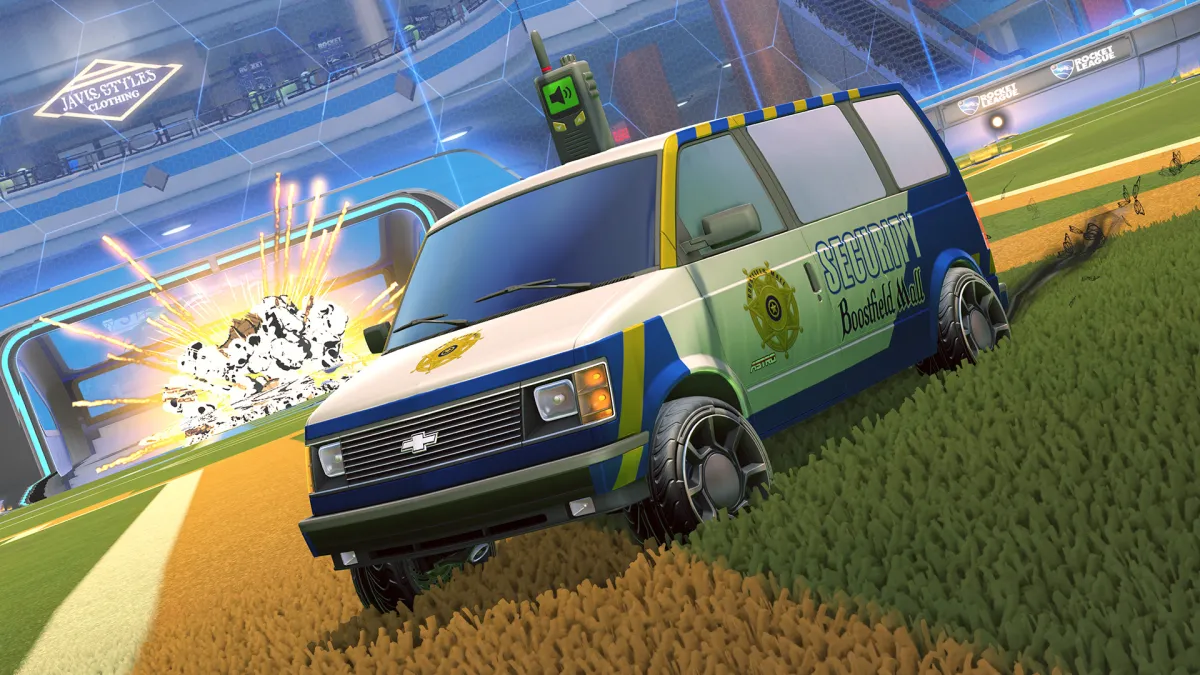 Photo: Rocket League, via us-west-2-epicgames.graphassets.com
Yet Rocket League's player base has remained remarkably stable compared to its contemporaries. While other 2015 releases have faded into irrelevance, Rocket League maintains a thriving competitive scene and passionate community. The secret isn't that it's easy to pick up — it's that it's impossible to put down once you glimpse how deep it goes.
"High skill ceiling games create a fundamentally different relationship between player and game," explains Dr. C. Thi Nguyen, author of "Games: Agency as Art." "Instead of consuming content, players are developing themselves. That's infinitely more engaging than any scripted experience."
The Mastery Mindset
Fighting games represent the purest expression of this principle. Street Fighter, Tekken, and Guilty Gear are notorious for their brutal learning curves and frame-perfect execution requirements. New players get bodied. Intermediate players get humbled. Even experts spend decades refining their craft.
This should be a recipe for player exodus. Instead, it's a recipe for devotion.
The FGC (Fighting Game Community) doesn't just play these games — they live them. They attend weekly locals, study frame data, practice combos for hours, and travel across the country for tournaments. The difficulty isn't a barrier; it's the entire point. Every small improvement feels earned because it was.
Contrast this with the mobile gaming space, where user acquisition costs skyrocket because players churn through titles like Netflix shows. Easy-to-learn match-3 games and idle clickers might generate massive download numbers, but they struggle to create lasting relationships. When mastery takes five minutes, boredom takes six.
The Elden Ring Revelation
FromSoftware's success story proves the skill cap paradox extends beyond competitive multiplayer. Elden Ring sold 20 million copies despite — or rather because of — its punishing difficulty. The game doesn't hold your hand, doesn't apologize for one-shotting you with a random enemy, and certainly doesn't offer difficulty sliders.
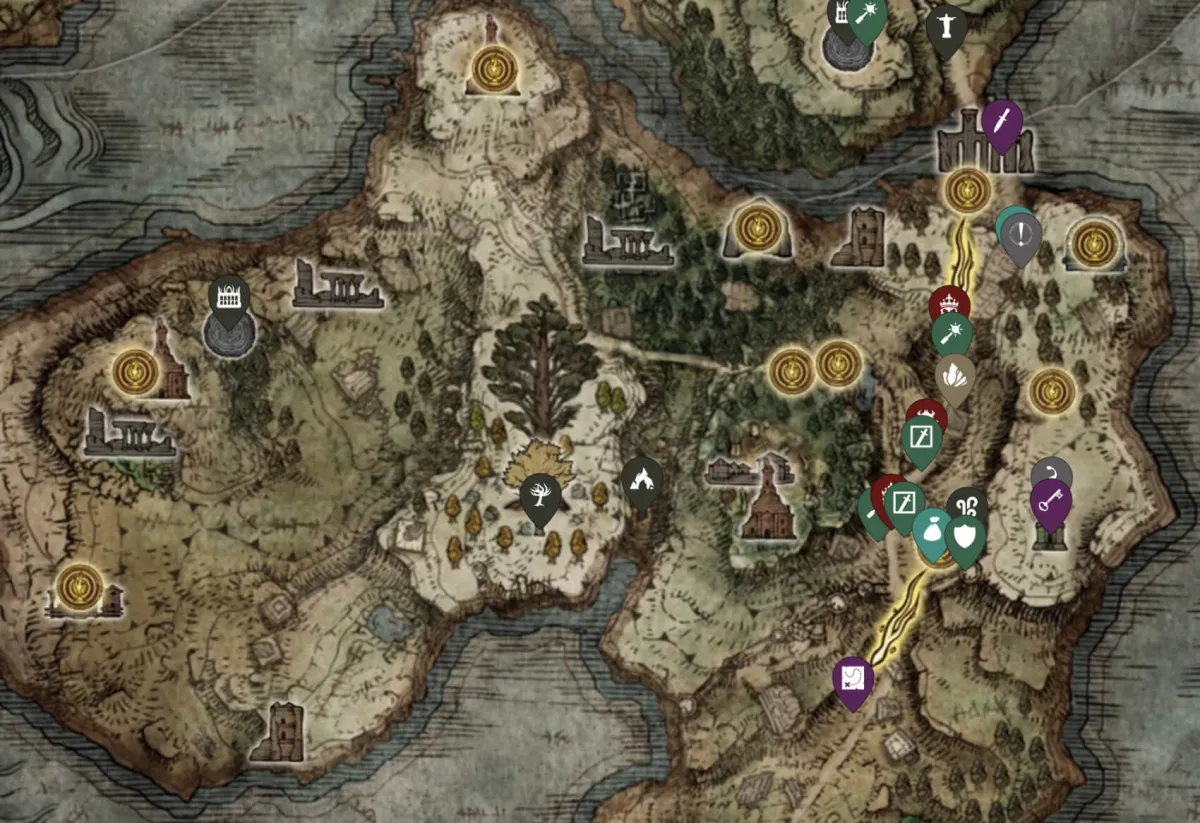 Photo: Elden Ring, via cdn.mapgenie.io
Yet Elden Ring generated more passionate discussion, fan art, and community engagement than virtually any other single-player game in recent memory. Players didn't just beat it; they obsessed over it. They shared strategies, debated lore, and created elaborate challenge runs. The difficulty wasn't a bug to be patched — it was the feature that created the community.
"When a game respects your intelligence enough to challenge you properly, you respect it back," notes game designer Bennett Foddy, creator of Getting Over It. "That mutual respect creates a bond that outlasts any surface-level entertainment."
The Investment Effect
Psychology offers a partial explanation through the concept of effort justification. The more work we put into something, the more we value it. But high skill ceiling games go deeper than simple effort investment — they create identity investment.
A Rocket League player doesn't just play the game; they become a Rocket League player. The hundreds of hours spent in training packs, the gradual climb through ranks, the moments of breakthrough when a new technique finally clicks — these experiences become part of who they are. You don't abandon that lightly.
Meanwhile, players bounce off simplified games precisely because there's nothing to become. When the skill ceiling is low, there's no room for growth, no sense of journey, no identity to build. You play, you see everything the game has to offer, you move on.
The Community Catalyst
High skill ceilings create natural mentorship hierarchies that strengthen communities. In Street Fighter locals, veterans teach newcomers not out of obligation but because they remember their own journey. The shared struggle creates bonds that transcend the game itself.
These communities become self-sustaining. New players are drawn in by the depth they witness, not scared away by it. They see combo videos and think "I want to do that" rather than "I could never do that." The difficulty becomes aspirational rather than intimidating when presented within a supportive community context.
The Long Game
Game development studios are slowly recognizing this pattern. Halo Infinite's multiplayer struggles partly because 343 Industries smoothed away the skill-based movement techniques that made previous Halo games endlessly replayable. Overwatch 2's simplified hero abilities reduced the skill ceiling and, unsurprisingly, reduced long-term engagement.
Meanwhile, games like Apex Legends succeed by maintaining high skill ceilings despite their battle royale accessibility. The movement system rewards thousands of hours of practice, creating the depth that keeps players engaged long after the novelty wears off.
The Paradox Resolved
The skill cap paradox isn't really a paradox at all — it's just counterintuitive in a culture obsessed with instant gratification. High skill ceiling games succeed long-term because they offer something increasingly rare in modern entertainment: the opportunity for genuine growth.
In an era where most games are designed to be consumed and discarded, skill-based games offer investment and return. They don't just entertain; they transform. And transformation, unlike entertainment, never gets old.
The lesson for developers isn't to make games impossibly hard, but to ensure they're impossibly deep. Give players a mountain to climb, not a hill to step over. Because the view from the summit isn't just better — it's worth staying for.