The First Hour Ultimatum: Why American Gamers Decide Whether to Keep a Game in 60 Minutes or Less
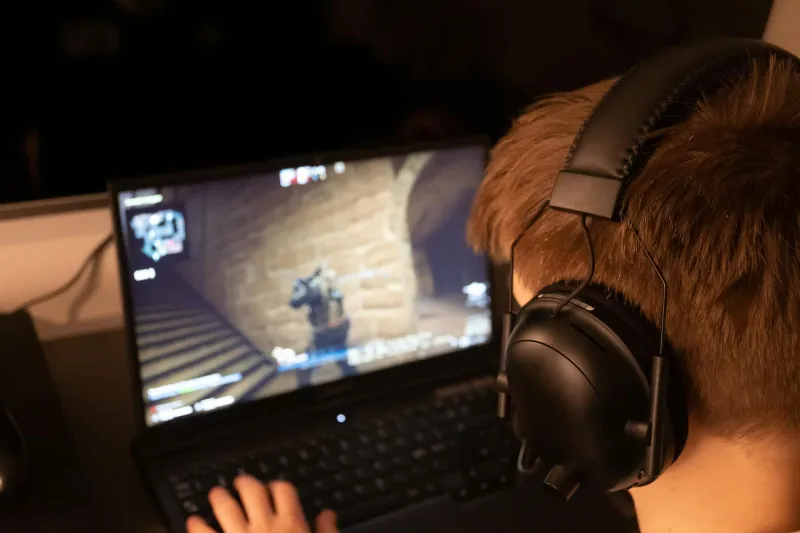
Steam's two-hour refund window was designed as consumer protection — a safety net for broken games and false advertising. But American gamers have transformed it into something entirely different: a high-stakes audition where every new release gets exactly 60 minutes to prove its worth before facing permanent judgment.
The numbers tell a stark story. According to Steam refund data, 73% of refund requests in the US market are submitted within the first 90 minutes of gameplay, with the majority of those decisions made in the first hour. This isn't players discovering technical issues or false advertising — it's a fundamental shift in how Americans approach new games, treating the first hour as a make-or-break moment that determines whether a $60 purchase becomes a permanent library addition or a statistical write-off.
The 60-Minute Gauntlet
Modern game openings have become pressure cookers of first impressions, where developers must establish tone, introduce mechanics, deliver compelling gameplay, and hook players emotionally before that invisible timer hits 60 minutes. It's a design challenge that would be impossible in any other entertainment medium — imagine if movies had to justify their entire runtime in the first 15 minutes, or novels needed to prove their worth by page 20.
The pressure is particularly intense for indie developers and mid-budget studios that can't rely on brand recognition to carry them through slower openings. A game that takes 90 minutes to "get good" is effectively dead on arrival in the current market, regardless of how exceptional it becomes once players push past the initial learning curve.
This shift has created a new category of game design expertise: the "first hour specialist." Studios now employ consultants whose entire job is optimizing opening sequences for maximum retention. These experts analyze heat maps showing where players typically quit, A/B test different tutorial approaches, and fine-tune pacing to ensure that the most engaging content hits within that critical window.
The Psychology of Quick Judgment
The American approach to game evaluation reflects broader cultural attitudes toward time, value, and decision-making. In a market where new releases compete with Netflix, TikTok, and dozens of other entertainment options, games must prove their value proposition immediately or risk being abandoned for more instantly gratifying alternatives.
The abundance of choice in the modern gaming market has created what psychologists call "choice overload paralysis." With thousands of games available at any moment, players have developed rapid filtering mechanisms to manage the overwhelming number of options. The first hour becomes a screening process that eliminates possibilities rather than exploring potential.
Social media and streaming culture have also shortened attention spans and raised expectations for immediate engagement. Players accustomed to TikTok's instant gratification and YouTube's rapid content delivery apply the same standards to games, expecting immediate hooks and constant stimulation that traditional game pacing can't always provide.
The sunk cost fallacy, which traditionally kept players engaged with mediocre games they'd already purchased, has been eliminated by easy refunds. This removes a psychological barrier that previously encouraged players to persist through slow starts, making first impressions more critical than ever.
The Developer Response
Game studios have adapted to the first-hour ultimatum by fundamentally restructuring their opening sequences. Traditional approaches that gradually introduced mechanics over several hours have been compressed into rapid-fire tutorials that front-load excitement and variety.
Many developers now follow what's internally called the "15-15-30" rule: deliver a spectacular moment within the first 15 minutes, establish core gameplay loops by minute 15-30, and provide a complete gameplay cycle by the 30-minute mark. This ensures that players experience the full game concept well before reaching the refund threshold.
The approach has led to some genuinely innovative opening design. Games like Spider-Man and God of War start with explosive action sequences that showcase their best mechanics immediately, then use flashbacks or training sequences to explain how players reached that point. This "start at the climax" approach satisfies the need for immediate engagement while preserving narrative structure.
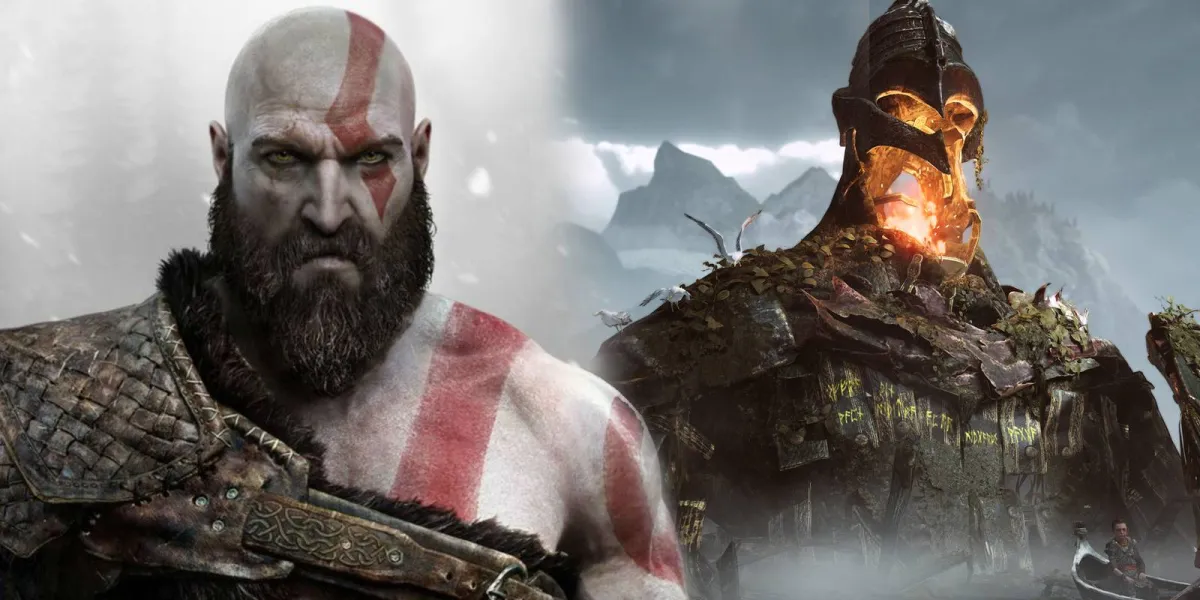 Photo: God of War, via static0.gamerantimages.com
However, the pressure has also created negative consequences. Some developers sacrifice long-term pacing and player development for short-term retention, creating games that peak in the first hour and struggle to maintain engagement afterward. Others front-load their best content so aggressively that the rest of the experience feels anticlimactic.
The Platform Wars
Steam's refund policy has created competitive pressure on other platforms to match or exceed the two-hour window. Epic Games Store offers similar refund terms, while console manufacturers have been slower to adapt. This has created a situation where PC releases face more immediate judgment than console versions of the same games.
The difference in refund policies has influenced platform-specific design decisions. Some developers create different opening sequences for PC and console versions, with PC openings optimized for rapid engagement while console versions maintain more traditional pacing.
Game Pass and PlayStation Plus have introduced another variable to the equation. Subscription service games don't face the same refund pressure, but they compete against an even larger library of alternatives. Players can abandon a Game Pass title without financial loss, making first-hour retention even more critical for subscription-based releases.
The Streaming Influence
Twitch and YouTube have amplified the importance of strong opening hours by creating a generation of players who've watched hundreds of games' first hours without playing them. This creates informed expectations about how games should start and what constitutes an engaging opening sequence.
Streamers themselves have become unofficial gatekeepers of the first-hour experience. A popular streamer's reaction to a game's opening hour can influence thousands of purchasing decisions. Developers now design opening sequences with streaming in mind, ensuring that early moments provide entertaining content for viewers as well as players.
The streaming influence has also created pressure for games to be immediately understandable to viewers who might be seeing the game for the first time. Complex mechanics or slow narrative buildups that work for dedicated players can be confusing or boring for stream audiences, pushing developers toward more accessible opening designs.
The Genre Divide
The first-hour ultimatum affects different game genres unequally. Action games and shooters adapt relatively easily to front-loaded excitement, while RPGs and strategy games struggle with the expectation of immediate gratification. Traditional RPG progression systems that slowly introduce complexity over dozens of hours are particularly vulnerable to first-hour abandonment.
Some genres have developed specific strategies for managing the challenge. Fighting games now include extensive single-player content and story modes designed to engage casual players within the first hour. Strategy games offer streamlined tutorial campaigns that showcase their depth without overwhelming new players.
Indie games face particular challenges, as they often rely on unique mechanics or artistic vision that may not translate into immediately engaging gameplay. Many successful indie developers have learned to lead with their strongest elements, whether that's exceptional art, innovative mechanics, or compelling narratives.
The International Context
The first-hour phenomenon is particularly pronounced in the American market, reflecting cultural attitudes toward time efficiency and consumer rights. European players show more patience with slow-building games, while Asian markets often prioritize different factors like social features or long-term progression systems.
This regional difference has created challenges for global game releases. Developers must balance American expectations for immediate engagement with other markets' preferences for different pacing approaches. Some studios create region-specific opening sequences or difficulty curves to address these cultural differences.
The success of games like Animal Crossing and Stardew Valley in the American market suggests that there are still audiences willing to invest time in slower-paced experiences. However, these games succeed despite the first-hour ultimatum rather than because of it, often building word-of-mouth recommendations that overcome initial skepticism.
The Long-Term Impact
The first-hour ultimatum is reshaping game design in ways that extend far beyond opening sequences. Developers are increasingly front-loading their best content and most innovative features, sometimes at the expense of long-term pacing and progression systems.
This shift may be creating a generation of games that excel at first impressions but struggle with long-term engagement. The focus on immediate hooks can sacrifice the kind of slow-building satisfaction that creates lasting gaming memories and cult classics.
However, the pressure has also driven innovation in tutorial design, onboarding systems, and player engagement that benefits the medium overall. Games are becoming more accessible and immediately engaging, even if they sometimes sacrifice depth for breadth.
The Future of First Impressions
As the gaming market continues to mature and competition for player attention intensifies, the first-hour ultimatum is likely to become even more pronounced. Developers will need to become increasingly sophisticated at creating openings that satisfy immediate engagement demands while preserving long-term design goals.
New technologies like AI-driven difficulty adjustment and personalized content delivery may help developers create more targeted first-hour experiences that adapt to individual player preferences. However, these solutions introduce their own complexity and development costs.
The rise of subscription services and cloud gaming may eventually reduce the importance of the first-hour ultimatum by eliminating purchase decisions entirely. When games are freely accessible through subscription services, players may be more willing to invest time in slower-building experiences.
The Bottom Line
The first-hour ultimatum represents both an opportunity and a challenge for game developers. While it forces studios to create more immediately engaging experiences, it also risks homogenizing game design around a narrow set of engagement metrics that may not reflect long-term player satisfaction.
The most successful developers are those who've learned to satisfy first-hour expectations while preserving the deeper design goals that create lasting gaming experiences. It's a balancing act that requires understanding both immediate player psychology and long-term engagement patterns.
Ultimately, the first-hour phenomenon reflects the broader challenge facing all entertainment media in the attention economy: how to create meaningful, lasting experiences in a world that increasingly values immediate gratification over patient exploration.