The Launch Window Lie: Why We Keep Buying New Consoles for Game Libraries That Aren't Ready Yet
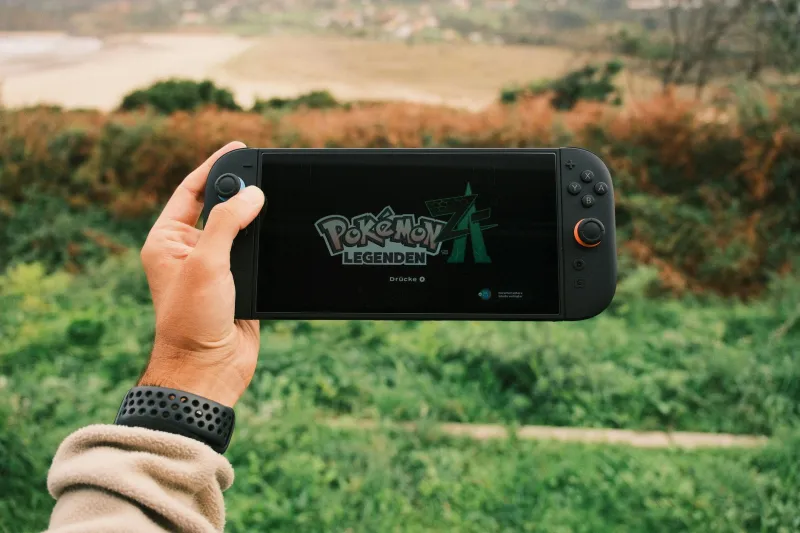
The Launch Window Lie: Why We Keep Buying New Consoles for Game Libraries That Aren't Ready Yet
Let's be honest with ourselves for a minute.
You've probably done this. Maybe you did it with the PS5, standing in a virtual queue at 9 AM on a Tuesday, refreshing the Best Buy page until your F5 key gave out. Maybe you did it with the Xbox Series X, or the original Switch, or — if you've been in this hobby long enough — the PlayStation 3 at $599, US dollars. You bought the hardware on day one, or as close to it as the supply chain would allow. And then you looked at the launch lineup and felt that specific, creeping sensation that the games journalists tried to warn you about but you didn't want to hear.
The launch library wasn't ready. It never is.
And now, in 2026, with the Nintendo Switch 2 navigating its first full year on shelves and the broader console market watching closely to see how Nintendo's follow-up performs, we're doing the whole dance again. So let's actually talk about why this keeps happening — and why the industry, the media, and the consumers all share a piece of the blame.
A Pattern as Old as the Industry Itself
Go back through console launch histories and the software story is almost uniformly grim. The PlayStation 5 launched in November 2020 with a lineup headlined by Spider-Man: Miles Morales — a great game, but one that also ran on PS4 — and Demon's Souls, a remake of a game that already existed. The console's first true exclusive, Returnal, didn't arrive until April 2021. Ratchet & Clank: Rift Apart, the game that actually showed what PS5 hardware could do, came in June 2021 — seven months after launch.
The Xbox Series X launched the same week with even less to show for itself. Microsoft's strategy of putting everything on Game Pass meant there was no single marquee exclusive that you needed the new hardware to play. Halo Infinite, the game that was supposed to be the Series X's flagship, slipped an entire year.
Go back further: the Wii U launched with ports and Nintendo Land. The Xbox One launched with Ryse and Dead Rising 3. The PS3 launched with Resistance: Fall of Man and a $599 price tag that made grown adults do math in public. The Nintendo 64 launched with two games. Two.
The pattern is so consistent that at this point it's basically a law of physics. New hardware ships. Software isn't ready. Consumers buy anyway. The good games arrive 12 to 18 months later, by which point the early adopter premium has evaporated and everyone else buys the console at a discount with a bundle that includes the games you had to wait for.
The Switch 2 Situation
The Nintendo Switch 2 launched in 2025 and has been navigating familiar territory ever since. Nintendo's first-party output has been characteristically polished — Mario Kart World received strong reviews and moved hardware — but the broader library question remains active. Third-party support has been cautious, with publishers taking a wait-and-see approach to the platform's install base before committing major resources. Several anticipated titles have slipped into 2026 release windows, and the conversation around the Switch 2's library depth feels, to anyone who's been paying attention, almost identical to conversations that happened around the original Switch in early 2017.
To Nintendo's credit, the original Switch eventually became one of the best-supported consoles in the company's history. The library argument sorted itself out. But that took time — and time is exactly what day-one buyers don't have, because they already paid.
Why Does This Keep Happening?
The engineering answer is straightforward: hardware and software development timelines don't align neatly. Console hardware gets finalized relatively late in its development cycle, which means game developers are often working with dev kits that don't reflect the final product until 12 to 18 months before launch. That's not enough runway to build a showcase title from scratch. So launch lineups are built from whatever was already in development and can be pushed across the finish line in time — which usually means ports, cross-gen titles, and smaller-scope projects.
The business answer is slightly less flattering. Console manufacturers have a financial incentive to launch hardware on a specific holiday window regardless of software readiness, because the hardware itself generates revenue and establishes market position. Waiting an extra six months to ship with a stronger lineup means ceding ground to competitors, losing retail shelf space, and missing a holiday sales cycle. The software will come. It always does. But the launch date is the launch date.
The media answer is the one we in games journalism should sit with uncomfortably. Hardware launches generate enormous traffic. Unboxing content, first-look coverage, performance breakdowns, launch lineup reviews — it's some of the most-read content of any given year. There is a structural incentive in games media to amplify console launch excitement, and that amplification has a real effect on consumer behavior. When every outlet is running "everything you need to know about the Switch 2" content for three months before launch, the question of whether you actually need to buy it on day one gets lost in the noise.
What Would a Good Launch Library Actually Look Like?
Here's a thought experiment. Forget what's achievable given current development realities — what would a genuinely strong console launch lineup look like if you could design it from scratch?
You'd want at least two first-party exclusives that couldn't be replicated on the previous generation. Not cross-gen ports with a "next-gen upgrade," but games that are architecturally impossible on older hardware. You'd want at least one third-party title with exclusive features — not a timed exclusive, but something that meaningfully uses the new hardware in a way that distinguishes the experience. You'd want a price point that doesn't require consumers to choose between the console and two months of groceries. And you'd want a clear, credible roadmap for the first 12 months of software support, publicly committed to before launch day.
No console in recent memory has cleared all four of those bars on day one. Most clear one or two. Some clear none.
The Real Question
So why do we keep doing this? Why do millions of people buy consoles at launch knowing, on some level, that the library isn't there yet?
Part of it is genuine enthusiasm — and that's not a character flaw. Gaming is a hobby that runs on excitement, and being part of a hardware launch is genuinely fun in a way that buying the same console 18 months later at a discount is not. There's community in it. There's a shared cultural moment.
But part of it is also something the industry has carefully cultivated: the fear of missing out on that moment, amplified by marketing spend that would make a pharmaceutical company blush. The hype machine is very good at what it does.
The Switch 2 will almost certainly have a great library by 2027. The PS5's library became genuinely excellent. These platforms find their footing. But the consumers who paid full price on day one to play three games in the first six months essentially subsidized that future for everyone else.
Something to think about the next time the refresh button starts looking appealing.
The best time to buy a new console is almost never day one — but knowing that and acting on it are two very different things, and the hardware hype machine is counting on that gap.