Cinematic Smoke and Mirrors: How 2026's Reveal Trailers Stopped Telling Us Anything
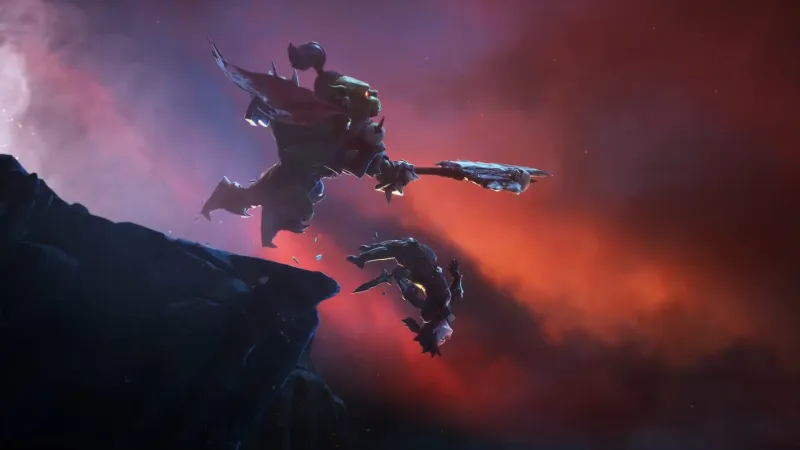
Photo: video game trailer cinematic dark screen, via animost.com
It's January 2026, the State of Play just ended, and if you closed your eyes during the reveals, you'd be forgiven for thinking you watched the same trailer four times.
Drone shot of a ruined city. A hooded protagonist walks through ash. Hard cut to a nameless voice whispering something about sacrifice. Logo. Release window: 2027. Fine print: "Footage not representative of final gameplay."
We've all seen it. We've all pre-ordered because of it. And in 2026, with game prices pushing $70–$80 before the inevitable deluxe upcharge, we can't afford to keep falling for it.
The Template Problem
Somewhere in the last decade, the game reveal calcified into a formula. There's the cinematic CGI stunner — gorgeous, expensive, and completely unrepresentative of the actual product. There's the "in-engine" montage, a phrase that technically means nothing, since any modern engine can render a scripted, pre-baked sequence at 30 seconds per frame. And there's the newest breed: the vertical-slice flex, thirty seconds of one meticulously polished mission that may or may not survive contact with the actual game.
None of these are lies, exactly. But they're not information, either. They're mood pieces. They're built to generate wishlist adds and trending hashtags, not to tell you what playing this game will actually feel like.
And that matters more than it used to. The gap between reveal and release has stretched to two, three, sometimes four years. The game you saw at that showcase may look nothing like the game that ships — sometimes for the better, often not.
The Five Red Flags
Before you smash that pre-order button, run the trailer through this checklist:
1. Is there actual gameplay, or just "gameplay-inspired" footage? If the word "footage" appears without "gameplay" in front of it, that's doing a lot of work. Real gameplay clips — messy UI, visible HUD, a player character actually being controlled — are the gold standard. Everything else is marketing.
2. Is there a date, or just a year? "2027" is not a release date. It's a promise a publisher can walk back with zero consequences. Games with concrete dates attached to gameplay tend to be further along. Games with a year and a logo tend to be pitch videos wearing a game's skin.
**3. Who's narrating, and do they say anything?" If the trailer's dialogue could be swapped into any other franchise without edits — destiny, sacrifice, darkness, legacy — the script was written before the game was.
4. Is the studio named, and do they have a track record? A reveal from a studio that's shipped three games in this genre means something. A reveal from a newly formed studio of "industry veterans" with no shipped titles means the trailer is the product, for now.
5. What's the pre-order CTA? If the trailer ends with edition pricing and early-access windows before a single gameplay mechanic has been shown, the business model came first. That's not always disqualifying — but it tells you who the trailer was made for: your wallet, not your wishlist.
Grading This Year's Crop, Honestly
Look back at the big 2025–2026 reveal cycle and the pattern holds. The reveals that earned trust were the boring ones: the ones where a developer sat in a chair, gameplay ran uninterrupted in the corner of the screen, and someone said "this is running on the target platform." No music swell. No celebrity cameo. Just a game, existing.
Meanwhile, some of the loudest reveals of the past two years — the ones that trended for a full weekend — still have no confirmed date, no gameplay, and in a few cases, no publicly confirmed scope. Some will deliver. Some will quietly change engines, reboot leadership, or slip into the next fiscal year. The trailer told you none of that.
The Real Ones Are Boring
Here's the uncomfortable truth: the most trustworthy trailer is the least exciting one. Extended gameplay demos. Developer commentary tracks. Hands-on previews from outlets that actually touched the controller. None of it hits like a CGI trailer scored to a cover of a classic rock song. All of it predicts the final product better.
The hype cap is real, and every publisher knows exactly where it is. The fix isn't cynicism — it's literacy. Learn what a reveal can honestly tell you, ignore what it can't, and save your pre-orders for the games that show their work.
Verdict: The next time a trailer gives you chills, don't ask whether the game looks good. Ask whether the trailer told you anything at all.