Free to Play, Expensive to Win: The Hidden Cost of Competing in 2026's Biggest F2P Games
Free to Play, Expensive to Win: The Hidden Cost of Competing in 2026's Biggest F2P Games
Let's get the obvious part out of the way first. Yes, you can download Marvel Rivals, Path of Exile 2, or any number of the biggest free-to-play titles dominating 2026's gaming landscape without spending a single dollar. The download is free. The tutorial is free. The first hundred hours, if you want them, are free. The publishers will tell you this constantly, and they're not technically wrong.
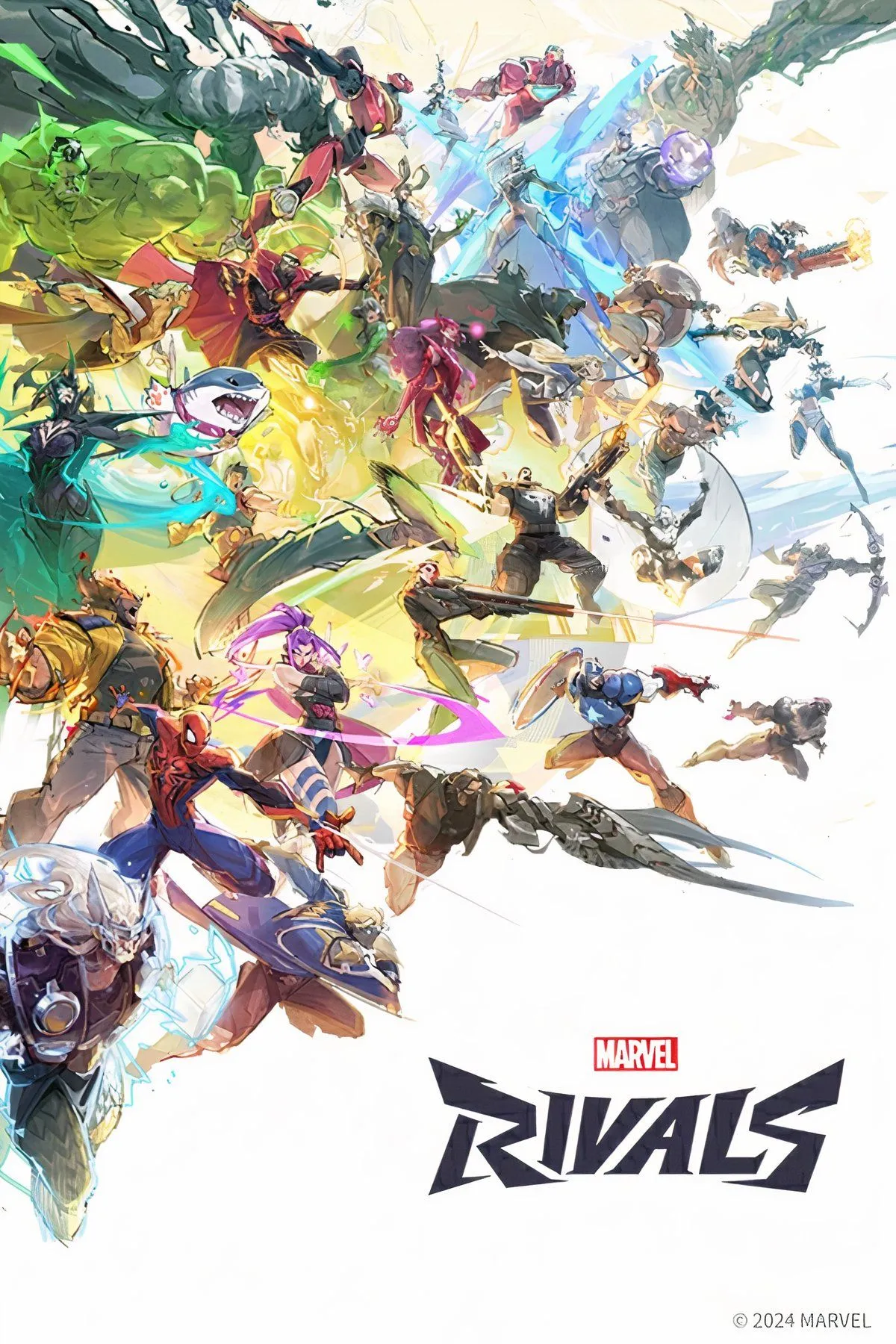 Photo: Marvel Rivals, via static0.gamerantimages.com
But ask a competitive player — someone who actually cares about their rank, their build, their seasonal standing — how much they've spent, and the number that comes back is going to make your eyes water. Because free-to-play in 2026 has quietly engineered one of the most effective spending traps in the history of consumer entertainment, and it's built specifically around the psychology of competition.
The Two-Tier Reality
Here's the structure that basically every major F2P title has converged on: there's the casual experience, which is genuinely accessible and often genuinely fun, and then there's the competitive experience, which has a ceiling that costs real money to reach. The gap between those two tiers is where the business model lives.
For casual players, the free experience is designed to feel complete. You get access to the core gameplay loop, a rotating selection of content, and enough cosmetics to feel like you're not totally bare-bones. Publishers point to these players when critics raise cost concerns. "Look," they say, "millions of players enjoying our game without spending anything."
What they don't mention is that the competitive tier operates on entirely different economics. In a game like Path of Exile 2, the build diversity and crafting depth that define high-level play require either an enormous time investment or the kind of currency and stash tab infrastructure that, for most working American adults, means opening their wallet. Competitive Marvel Rivals players will tell you that while no hero is locked behind a paywall, the seasonal battle pass content and the cadence at which new characters enter the meta creates a soft pressure to stay current that adds up fast.
What Competitive Players Are Actually Spending
Community spending surveys and self-reported data from competitive F2P communities paint a pretty consistent picture. Casual players in major F2P titles spend somewhere between $0 and $30 per year — a battle pass here, a cosmetic bundle there. Competitive players? The numbers are dramatically different.
In Path of Exile 2, players who participate in league racing and high-end endgame content frequently report spending $50 to $150 per league cycle on stash tabs, cosmetic MTX that doubles as quality-of-life organization, and premium supporter packs. Across four league cycles in a year, that's potentially $200 to $600 annually — for a "free" game.
Marvel Rivals competitive players tell a similar story. The game itself doesn't gate heroes or abilities behind paywalls, but the seasonal content cadence, the cost of keeping up with new character releases through bundle packs, and the social pressure of cosmetic presentation in ranked lobbies creates a spending floor that serious players consistently describe as "around $20 to $40 per season" — which, across a full year of active seasons, lands between $80 and $160 minimum.
These aren't outliers. These are the median reported figures from players who identify as competitive. The ceiling, for the heaviest spenders, runs into the thousands.
The Engineering Behind the Pressure
None of this happens by accident. The spending pressure in competitive F2P games is deliberately architected, and understanding the mechanisms makes it harder to fall for them — even if it doesn't make them any less effective.
The first mechanism is seasonal urgency. Content expires. Battle passes tick down. New meta-relevant items or characters enter limited-time windows. The clock is always running, and the message it sends is clear: if you want to stay current, you need to act now. This is particularly potent for competitive players because falling behind the seasonal curve has actual gameplay consequences, not just cosmetic ones.
The second is social visibility. In competitive lobbies, your loadout, your cosmetics, and your battle pass progression are visible to other players. F2P games have essentially gamified spending itself — the player with the current season's premium skin is broadcasting their investment, and that broadcast carries social weight in competitive spaces. It's peer pressure with a price tag.
The third, and most insidious, is the free-player anchor. By maintaining a genuinely accessible free experience, F2P publishers create a population of non-spending players whose existence makes the spending of competitive players feel voluntary and reasonable. "You don't have to spend anything" is technically true. It's also a rhetorical move that deflects scrutiny from the players who feel like they do.
The Real Cost of the Cap
What LevelCap News readers should understand is that the "free-to-play ceiling" isn't just about money. It's about access. When the competitive tier of a major title costs hundreds of dollars per year to meaningfully participate in, you're creating a class divide within the player base — one that's invisible in the marketing and very visible in the ranked lobbies.
American gamers, particularly younger players and those without disposable income, are being sold an experience that promises equality of access and delivers hierarchy of spending. The game is free. The win condition increasingly is not.
That's not an argument for abandoning F2P games — some of them are genuinely excellent, and the model has democratized access to high-quality gaming in real ways. But it is an argument for honesty. The next time a publisher announces a new free-to-play title, ask the question the press release never answers: free to play, sure. But how much does it cost to compete?
Because in 2026, that number is almost never zero.