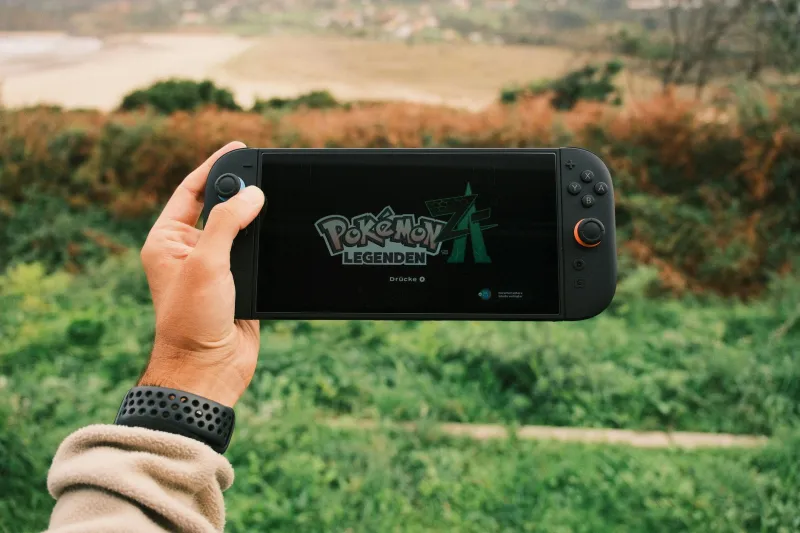
The Day-One Decision: Is Buying a Game at Launch Still Worth It in the Age of Rapid Patches and Deep Discounts?

Last month, I watched a friend pay $70 for a AAA title on release day, only to see it hit 40% off during Black Friday—just three weeks later. By Christmas, the "Game of the Year Edition" was announced with all the DLC and patches that fixed the launch issues, priced at $60. Meanwhile, the game had quietly been added to Game Pass.
 Photo: Black Friday, via img.freepik.com
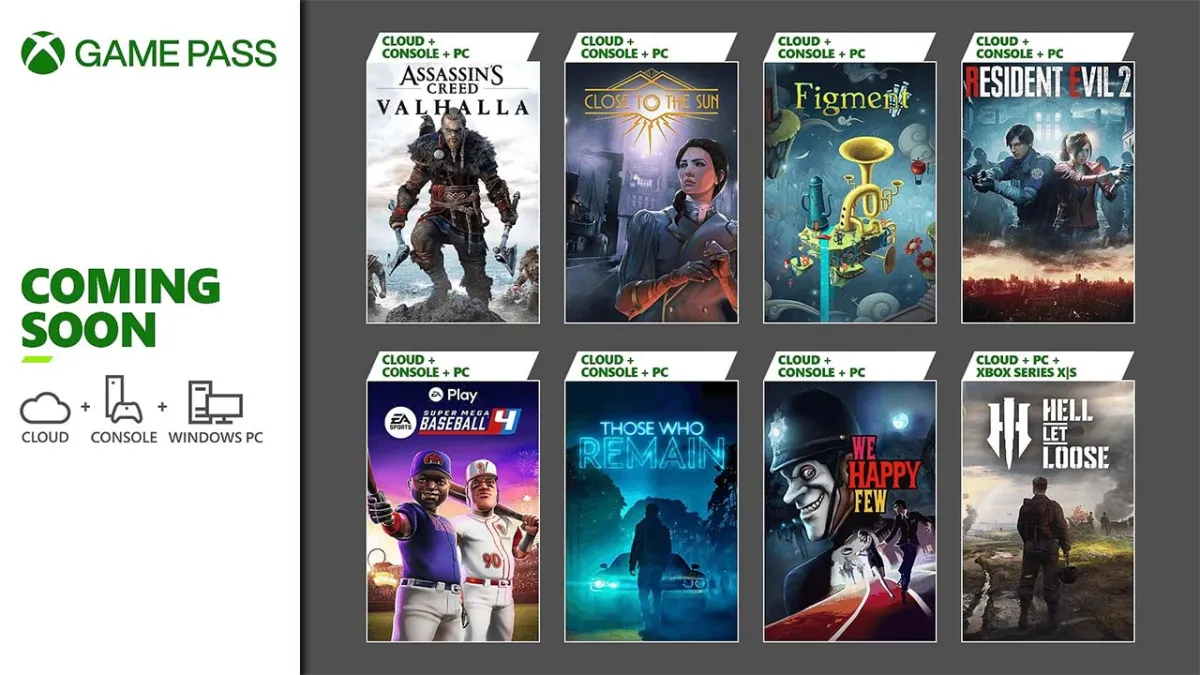 Photo: Game Pass, via www.gizmochina.com
This isn't an unusual story anymore. It's become the predictable rhythm of modern game releases, raising an uncomfortable question for enthusiast gamers: when did buying games at launch become the financially worst decision you can make?
The New Launch Day Reality
The traditional launch day experience promised a complete, polished product for full retail price. In 2026, that promise feels almost quaint. Today's launch day often means paying premium prices to become a beta tester for a game that will be significantly different—and cheaper—within six months.
Consider the pattern that's emerged across major releases in the past two years. Games ship with day-one patches that are sometimes larger than the base game itself. Critical features get delayed to post-launch updates. Multiplayer modes arrive "soon after launch." The complete experience you thought you were buying for $70 often doesn't exist until the first major content update.
This isn't just about buggy launches—though those certainly factor in. It's about a fundamental shift in how games are developed and monetized. The launch version is increasingly treated as version 1.0 of what will eventually become the "definitive" experience.
The Economics of Patience
Let's run the numbers on what waiting actually costs you. Take a typical AAA single-player game launching at $70. Based on price tracking data from the past three years, here's the predictable discount timeline:
- Month 1: Rare sales, maybe 10-15% off at select retailers
- Month 3: First major sale, typically 25-30% off
- Month 6: Deep discounts begin, 40-50% off becomes common
- Month 12: "Complete Edition" launches at $60 with all DLC
- Month 18: Game hits subscription services or drops to $20-30 permanently
For patient gamers, this pattern represents massive savings. But there's a hidden cost calculation most analyses miss: the social and cultural value of playing games when they're part of the broader conversation.
The FOMO Tax
Here's where the math gets complicated. Games aren't just entertainment products—they're cultural events. The first two weeks after launch represent the peak of online discussion, streaming content, and social media buzz. Miss that window, and you're often consuming content in a cultural vacuum.
For multiplayer games, this timing is even more critical. Player populations peak at launch and often never recover to those levels. Wait six months, and you might find yourself in a ghost town, even if you got the game for half price.
The question becomes: what's the dollar value of being part of the cultural moment? For some players, especially those who engage with gaming communities online, that value might justify the launch premium. For others, particularly those who prefer single-player experiences, the cultural timing matters less.
The Subscription Service Wildcard
Game Pass and PlayStation Plus have completely disrupted traditional purchasing calculations. Why buy a $70 game when there's a decent chance it'll hit your subscription service within a year?
 Photo: PlayStation Plus, via images-wixmp-ed30a86b8c4ca887773594c2.wixmp.com
Microsoft's aggressive Game Pass strategy means many first-party titles launch directly into the service. Third-party publishers increasingly view subscription services as a way to extend the revenue tail of games that have exhausted their full-price sales potential.
This creates a new category of purchase regret: buying a game at launch only to see it "free" on a service you already pay for months later. It's happened to me more times than I care to count, and the sting never gets easier.
When Launch Day Still Makes Sense
Despite all these factors, there are still compelling reasons to buy certain games at launch. Multiplayer-focused titles often provide their best experience in those first few months when populations are highest and the meta hasn't been solved. Live-service games frequently offer limited-time launch events that can't be experienced later.
There's also the simple pleasure of discovery. Playing a game before guides exist, before optimal strategies are known, before the internet has dissected every secret—there's genuine value in that virgin experience that no discount can replicate.
For games you know you'll play extensively, the per-hour cost calculation often favors immediate purchase. If you're going to put 100+ hours into a new RPG, the difference between $70 and $35 becomes negligible when spread across that playtime.
The Complete Edition Problem
Perhaps the most frustrating aspect of modern launch purchasing is the inevitability of "complete" or "definitive" editions. Publishers have trained consumers to expect that the version available at launch isn't actually the complete game.
These re-releases typically arrive 12-18 months post-launch, bundling all DLC and major patches into a package that costs less than the base game did at launch. For patient gamers, this represents incredible value. For day-one purchasers, it feels like punishment for early support.
The most egregious examples charge launch buyers full price for DLC that complete edition buyers get bundled for free. This practice essentially taxes enthusiasm, making early adopters pay more for less content.
Regional Pricing Disparities
US gamers face additional complications due to regional pricing strategies. Many publishers use the US market as their premium pricing tier, while offering significant discounts in other regions. Digital storefronts have made these disparities more visible and more frustrating.
The rise of key resellers has created a gray market where US consumers can access games at international prices, but with potential risks around key legitimacy and account security. For budget-conscious gamers, this adds another layer to the purchase timing decision.
Making the Call in 2026
So when does buying at launch make financial sense in 2026? The answer depends on your gaming habits and priorities:
Buy at launch if:
- You plan to play immediately and extensively
- The game has significant multiplayer components
- You actively participate in gaming communities and value being part of launch discussions
- You have disposable income and don't mind paying for immediate access
Wait for sales if:
- You have a substantial backlog of unplayed games
- You primarily play single-player games
- You're price-sensitive and view games as long-term entertainment investments
- You've been burned by buggy launches before
Consider subscription services if:
- You play a variety of games rather than focusing deeply on individual titles
- You're willing to accept that games may leave the service eventually
- You value discovery over ownership
The harsh reality is that the gaming industry has restructured itself around extracting maximum revenue from enthusiastic early adopters while offering better deals to patient consumers. Understanding this dynamic is the first step toward making purchasing decisions that align with your actual gaming habits and budget constraints.
In a world where games are cheaper and more complete six months after launch, the day-one purchase has become less about getting the best product and more about buying your way into the cultural conversation. Whether that's worth the premium is a calculation only you can make.