The Max Level Moment: Why the Best In-Game Cinematics Only Unlock After You've Earned Them
The Max Level Moment: Why the Best In-Game Cinematics Only Unlock After You've Earned Them
There's a moment in The Witcher 3 that doesn't come until you're 60+ hours deep into the game. After countless side quests, monster hunts, and political machinations, Geralt finally confronts the Wild Hunt in a sequence that feels genuinely apocalyptic. The emotional weight isn't just from the stellar animation or orchestral score — it's from the dozens of hours you've invested getting to that point. You've earned this moment.
It's a design philosophy that's becoming increasingly rare in an industry obsessed with hooking players in the first five minutes. But the games that gate their best cinematics behind real progression milestones are creating something more valuable than immediate gratification: they're building genuine emotional investment.
The Front-Load Problem
Walk into any GameStop and you'll see the problem immediately. Every game trailer, every demo station, every piece of marketing material leads with the biggest explosions, the most stunning set pieces, the most jaw-dropping moments. It's understandable — you've got about 30 seconds to convince someone to drop $70 on your game.
But this marketing-driven approach is fundamentally breaking how stories work. When God of War (2018) opens with Kratos chopping down a tree marked with his wife's handprint, it's a beautiful, quiet moment that gains meaning from everything that comes after. When Spider-Man 2 opens with you immediately swinging through Manhattan as both Spider-Men, it's undeniably cool but leaves nowhere to go emotionally.
The difference is investment. One asks you to trust the journey; the other gives you the destination upfront and hopes you'll stick around for the ride.
The Payoff Philosophy
Games that understand delayed gratification create what I call "max level moments" — cinematics that only hit their emotional peak because you've put in the work to get there. Red Dead Redemption 2 doesn't let you experience Arthur's final ride until you've spent 50+ hours understanding who he is and what he's fighting for. Mass Effect 2's suicide mission only works because you've recruited, talked to, and genuinely cared about every squad member.
These aren't just cutscenes — they're payoffs. The emotional impact comes from the intersection of narrative climax and player investment. You can't fake that connection by front-loading spectacle.
Persona 5 understands this better than most. The game's most visually stunning moments — the Palace infiltrations, the Persona awakenings, the final boss transformation — are all locked behind 20-40 hours of social simulation and dungeon crawling. By the time you reach the climactic sequences, you're not just watching Joker save the world; you're watching your version of Joker, shaped by dozens of choices and relationships, fulfill a destiny you've actively participated in creating.
The Netflix Effect
Part of the problem is that games are competing with streaming services that promise immediate payoff. Netflix shows hook viewers in the first episode because they know you'll bail if they don't. But games aren't TV shows — they're interactive experiences where the act of playing creates emotional investment in ways that passive consumption never could.
Yet too many studios are adopting Netflix's front-load philosophy without understanding why it works for that medium. When Cyberpunk 2077 opens with a montage showing V's rise to legendary status, it's trying to create investment through exposition rather than experience. Compare that to Baldur's Gate 3, which makes you work for every major story revelation and emotional climax, and the difference in player attachment is night and day.
The Investment Economy
This isn't just about storytelling — it's about sustainable engagement. Players who feel like they've earned a game's best moments are more likely to replay, recommend, and stay engaged with sequels. It's the difference between a sugar rush and a satisfying meal.
Look at the games that dominate "best of" lists year after year. The Last of Us, The Witcher 3, Red Dead Redemption 2, Baldur's Gate 3 — these are all games that make you work for their most powerful moments. They understand that emotional investment is built through time and choice, not through spectacular opening sequences.
Meanwhile, games that blow their biggest moments early often struggle with long-term engagement. How many times have you seen a game with an incredible opening hour that you never finished? The spectacle becomes a promise the rest of the game can't keep.
The American Attention Problem
There's a particular challenge for US developers and publishers: American gaming culture often emphasizes immediate gratification over long-term investment. We're the market that made mobile gaming a $100 billion industry, after all. But the most beloved games in American gaming history — from Final Fantasy VII to Grand Theft Auto to The Elder Scrolls — are all games that made players work for their best moments.
The solution isn't to abandon spectacle or immediate engagement. It's to understand the difference between a hook and a payoff. A good hook gets players invested in the journey; a good payoff rewards them for taking it.
Elden Ring might be the perfect example of this balance. The game opens with a boss fight designed to kill you, immediately establishing the stakes and tone. But its most spectacular moments — the Radahn festival, the Mohg fight, the final boss sequence — are all locked behind dozens of hours of exploration and discovery. You have to earn the right to see the game at its most ambitious.
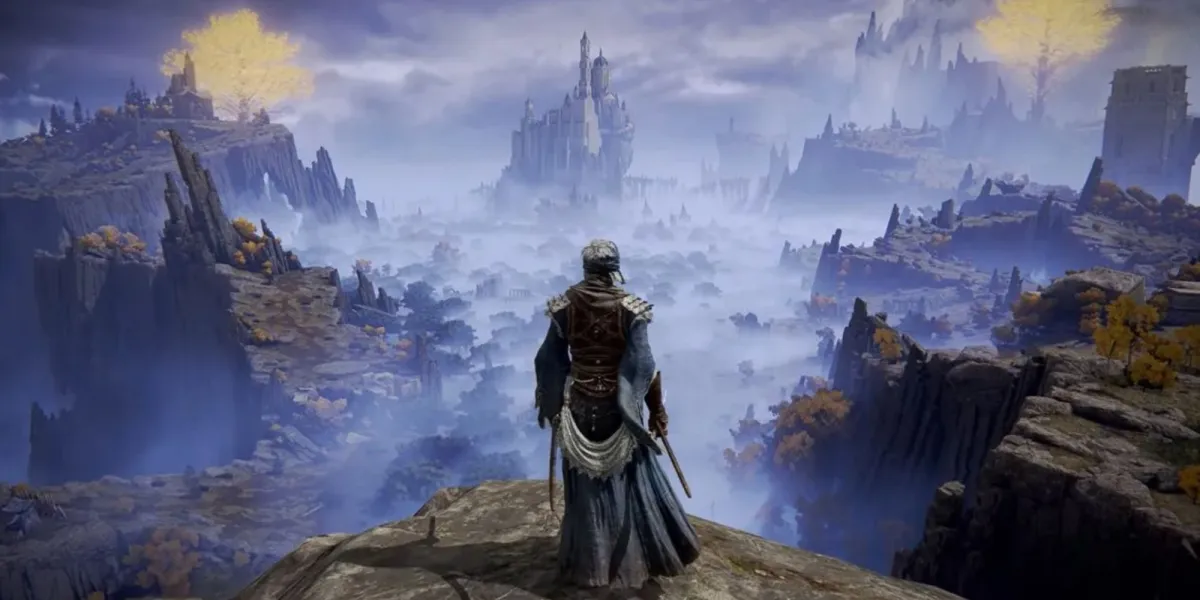 Photo: Elden Ring, via static1.thegamerimages.com
The Future of Emotional Investment
As games become more expensive to make and buy, the pressure to front-load spectacle will only increase. But the studios that resist this pressure and instead focus on building genuine emotional investment through progression are the ones creating the games we'll still be talking about in ten years.
The best cinematics aren't just technical showcases — they're emotional payoffs for players who've put in the work to get there. In an industry increasingly focused on immediate gratification, the games that understand delayed emotional rewards are the ones that will create lasting connections with players.
Sometimes the best moments in gaming are the ones you have to earn.