The Level Zero Problem: Why So Many Games Bury Their Best Features Behind Hours of Mandatory Tutorials
Remember when you could boot up Super Mario Bros. and within thirty seconds, you understood everything you needed to know about jumping, running, and stomping Goombas? Those days are long gone. In 2024's gaming landscape, we're witnessing an epidemic of bloated tutorial sequences that can stretch anywhere from three to seven hours before players even glimpse what the game is actually about.
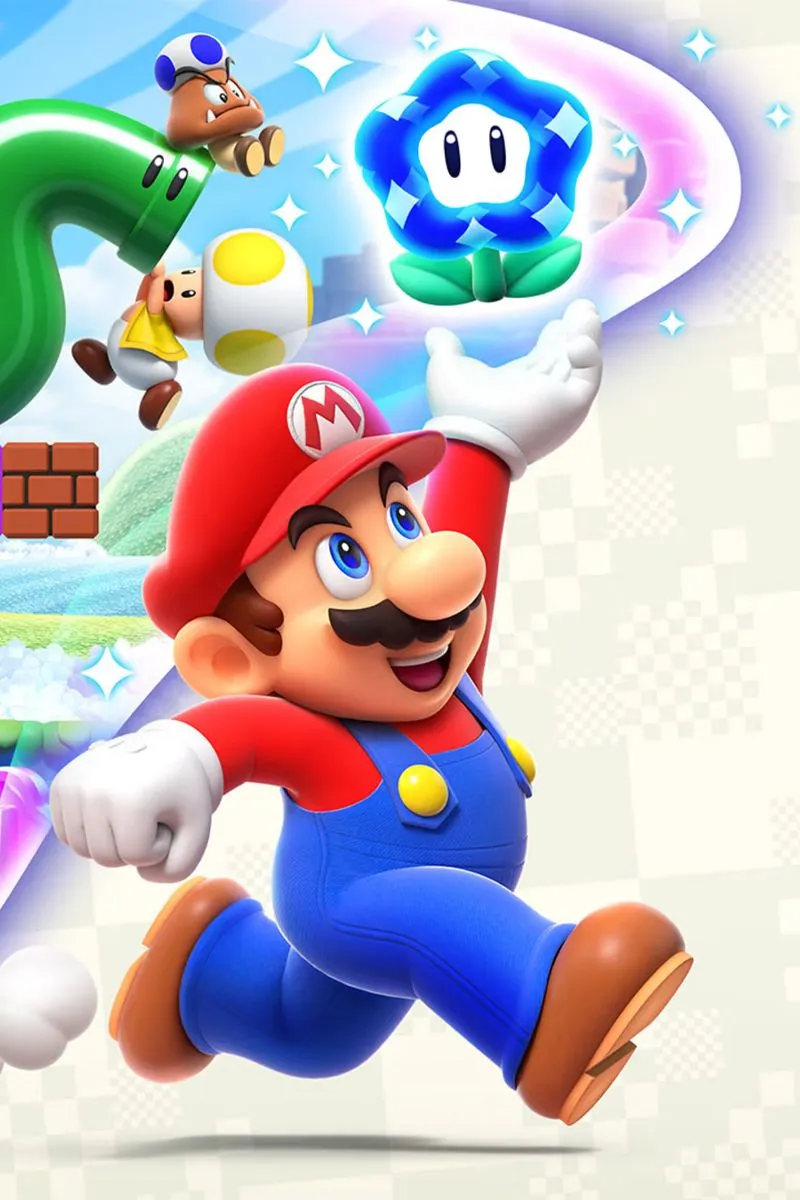 Photo: Super Mario Bros., via static0.gamerantimages.com
Horizon Forbidden West doesn't let you use a mount for nearly four hours. God of War Ragnarök gates its signature combo system behind six hours of story beats. Elden Ring, despite being praised for its player freedom, still forces you through a mandatory cave tutorial that many players found more confusing than helpful. The problem isn't just that these tutorials exist—it's that they've become mandatory gatekeepers between players and the experiences they actually paid for.
The Hand-Holding Highway
The root of this issue lies in a fundamental misunderstanding of modern gaming audiences. Developers seem convinced that today's players need extensive guidance to handle complex mechanics, but the data tells a different story. According to Steam achievement statistics, roughly 40% of players never complete the first hour of most AAA games. That's not because the games are too complex—it's because they're boring.
"We're treating every player like it's their first video game," explains former Assassin's Creed designer Clint Hocking. "But the reality is that most people buying a $70 AAA title have been playing games for decades. They don't need to be taught how to move a camera or what a health bar means."
The irony is palpable. In an era where players have access to massive game libraries through services like Game Pass and PlayStation Plus, developers are designing onboarding experiences that assume players have infinite patience and zero alternatives. The result? Games that lose potential long-term players before they ever reach the content that would hook them.
The Attention Span Arms Race
The competition for player attention has never been fiercer. With Fortnite, Apex Legends, and Call of Duty offering instant gratification, single-player games are competing against experiences that deliver dopamine hits within seconds of loading. Yet many AAA studios respond to this challenge by making their games slower to start, not faster.
Consider the contrast between Titanfall 2 and Cyberpunk 2077. Titanfall 2's tutorial mission "The Pilot's Gauntlet" teaches you wall-running, shooting, and parkour in under ten minutes, then immediately drops you into a spectacular action sequence. Cyberpunk 2077, meanwhile, forces players through nearly three hours of exposition and limited gameplay before you can even leave the starting area.
Which approach works better? Titanfall 2 has a 94% positive rating on Steam and is still actively played years after release. Cyberpunk's rocky launch was due to multiple factors, but its sluggish opening certainly didn't help player retention.
The Nintendo Difference
Nintendo remains the gold standard for teaching players without making them feel like students. Super Mario Odyssey introduces new mechanics organically through level design rather than pop-up tooltips. The Legend of Zelda: Breath of the Wild gives players all their core abilities within the first hour, then trusts them to experiment and learn.
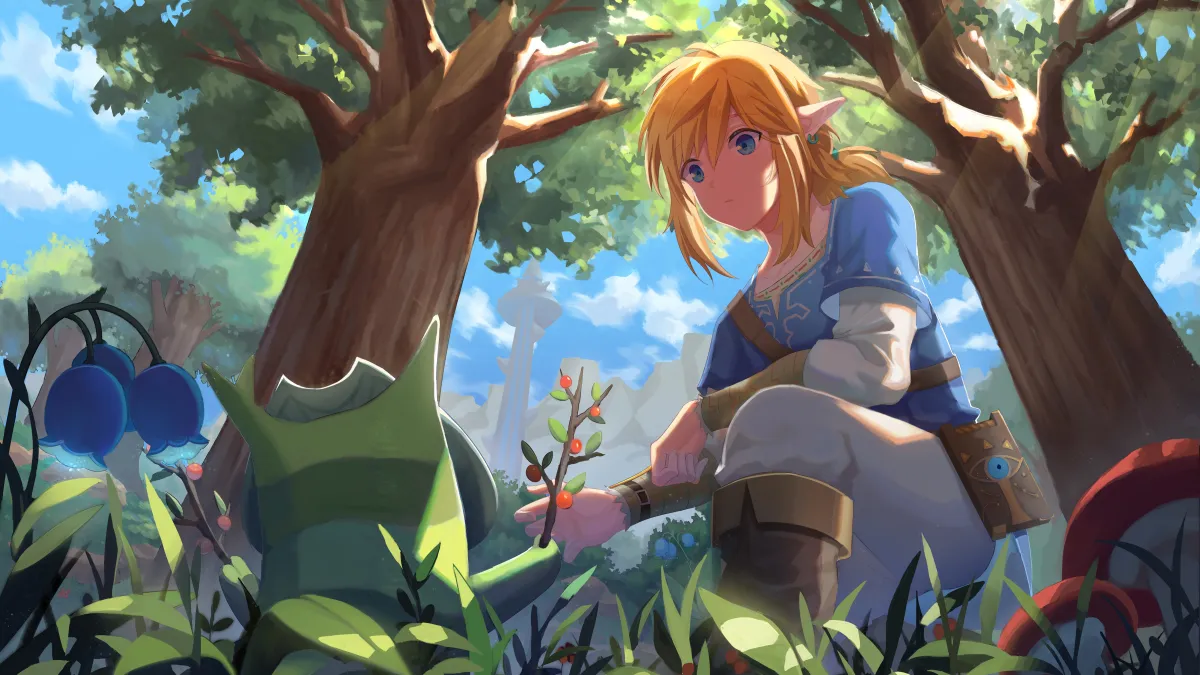 Photo: The Legend of Zelda: Breath of the Wild, via www.hdwallpapers.in
The key difference? Nintendo designs tutorials that feel like gameplay, not interruptions. When you're learning to throw Cappy in Mario Odyssey, you're simultaneously solving puzzles and exploring colorful environments. When Assassin's Creed Valhalla teaches you combat, you're standing in an empty training yard pressing buttons on command.
The Completionist's Dilemma
The extended tutorial problem becomes even more frustrating for players who want to experience multiple games. Achievement hunters and completionists often find themselves trapped in tutorial hell across multiple titles, spending dozens of hours learning systems they already understand just to access the content they want to complete.
"I bought five games during the Steam sale, but I've only actually 'played' one of them," says Reddit user u/GameHoarder2024. "The others are still stuck in their opening hours because I don't have the patience to sit through another tutorial that treats me like I've never held a controller."
This creates a vicious cycle where games with the longest tutorials are least likely to be completed, leading to lower engagement metrics and reduced word-of-mouth marketing.
Breaking the Tutorial Trap
Some developers are finding smarter solutions. Hades introduces new mechanics gradually throughout multiple runs, making learning feel like natural progression rather than mandatory homework. Doom Eternal teaches its complex combat system through escalating enemy encounters that force players to master new techniques to survive.
The most successful approach seems to be "learning by doing" rather than "learning then doing." Players want to feel competent and engaged from minute one, not like students in a digital classroom.
The Path Forward
The solution isn't to eliminate tutorials entirely—complex games need some form of onboarding. Instead, developers need to respect their players' intelligence and time. Offer optional advanced tutorials for newcomers, but don't force veterans to sit through explanations of basic mechanics they've understood since the PlayStation 2 era.
Games should earn players' attention, not demand it. In a world where entertainment options are infinite and time is precious, the first hour of any game is its most important. Developers who understand this will create experiences that hook players immediately rather than testing their patience.
The level zero problem isn't just about tutorials—it's about trust. Trust that players are smart enough to figure things out, experienced enough to handle complexity, and valuable enough to deserve respect for their time. Until more developers embrace this philosophy, we'll continue seeing great games buried under unnecessary barriers to entry.