The Franchise Reboot Gamble: Why Some Series Come Back Stronger — and Others Never Recover Their Audience
The gaming industry is experiencing reboot fever. From Dead Space to System Shock to the upcoming Perfect Dark, publishers are betting that nostalgia plus modern technology equals guaranteed success. But for every Resident Evil 2 that redefines a franchise for a new generation, there's a Saints Row that crashes and burns despite millions in development costs.
The math should be simple: take a beloved property, apply current-gen polish, and watch the money roll in. Yet the graveyard of failed reboots tells a different story. Understanding why some franchises rise from the dead while others stay buried isn't just industry curiosity — it's a roadmap for the dozens of revival projects currently in development.
The Foundation Factor: Respecting What Worked
Successful reboots don't start with "how do we modernize this?" — they begin with "why did people love this in the first place?" EA Motive's Dead Space remake succeeded because it identified the original's core appeal: claustrophobic horror through strategic dismemberment. Rather than chasing trends, they doubled down on what made Isaac Clarke's nightmare unique.
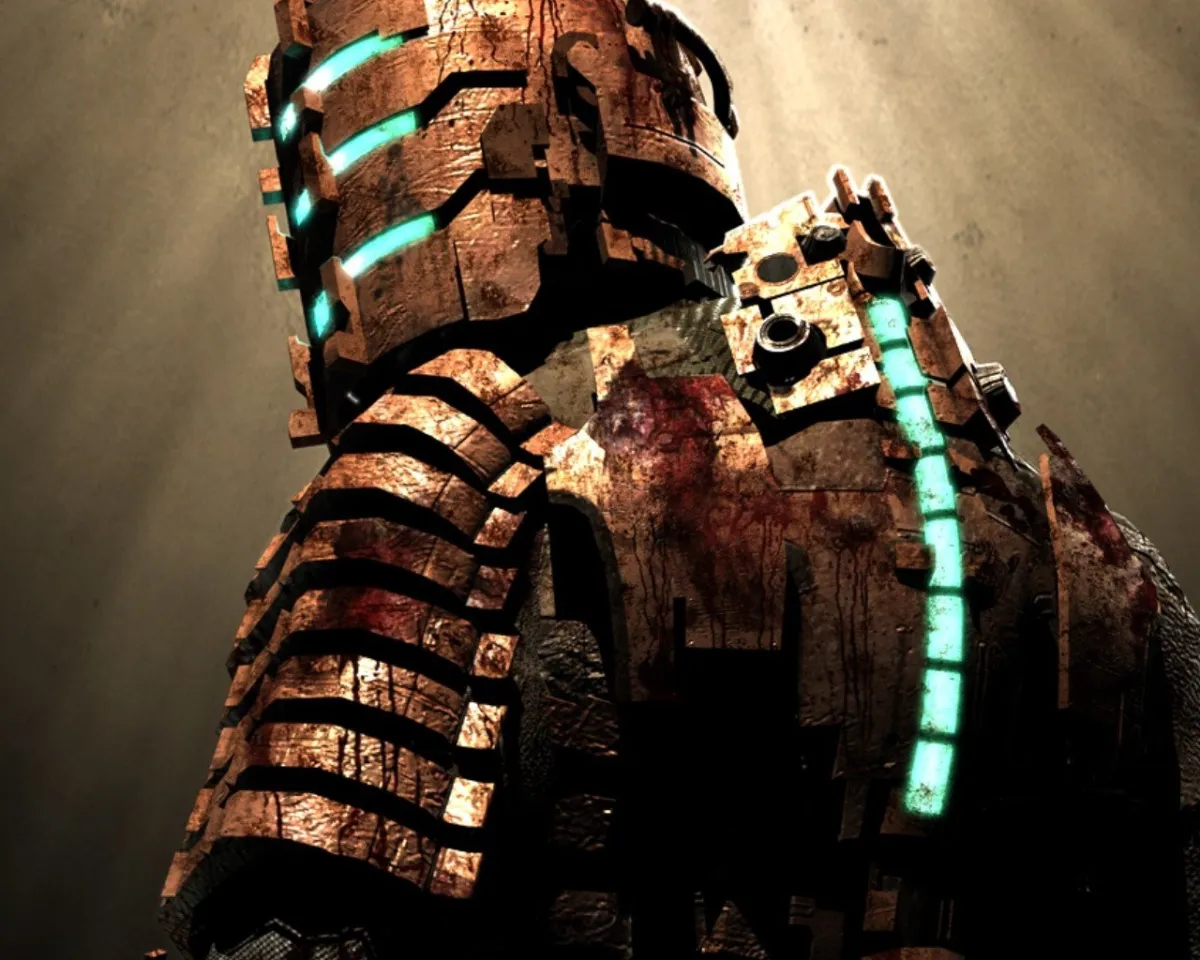 Photo: Isaac Clarke, via wallup.net
Contrast this with Volition's Saints Row reboot, which abandoned the series' irreverent tone and over-the-top gameplay in favor of a more grounded approach that pleased neither longtime fans nor newcomers. The studio misread their own franchise's DNA, treating the chaos and absurdity as outdated rather than essential.
Capcom mastered this principle with their Resident Evil renaissance. RE2 and RE4 remakes didn't just update graphics — they distilled decades of franchise evolution into refined experiences that honored their sources while feeling completely contemporary. Leon Kennedy's journey through the RPD station in 2019 felt both nostalgic and revelatory.
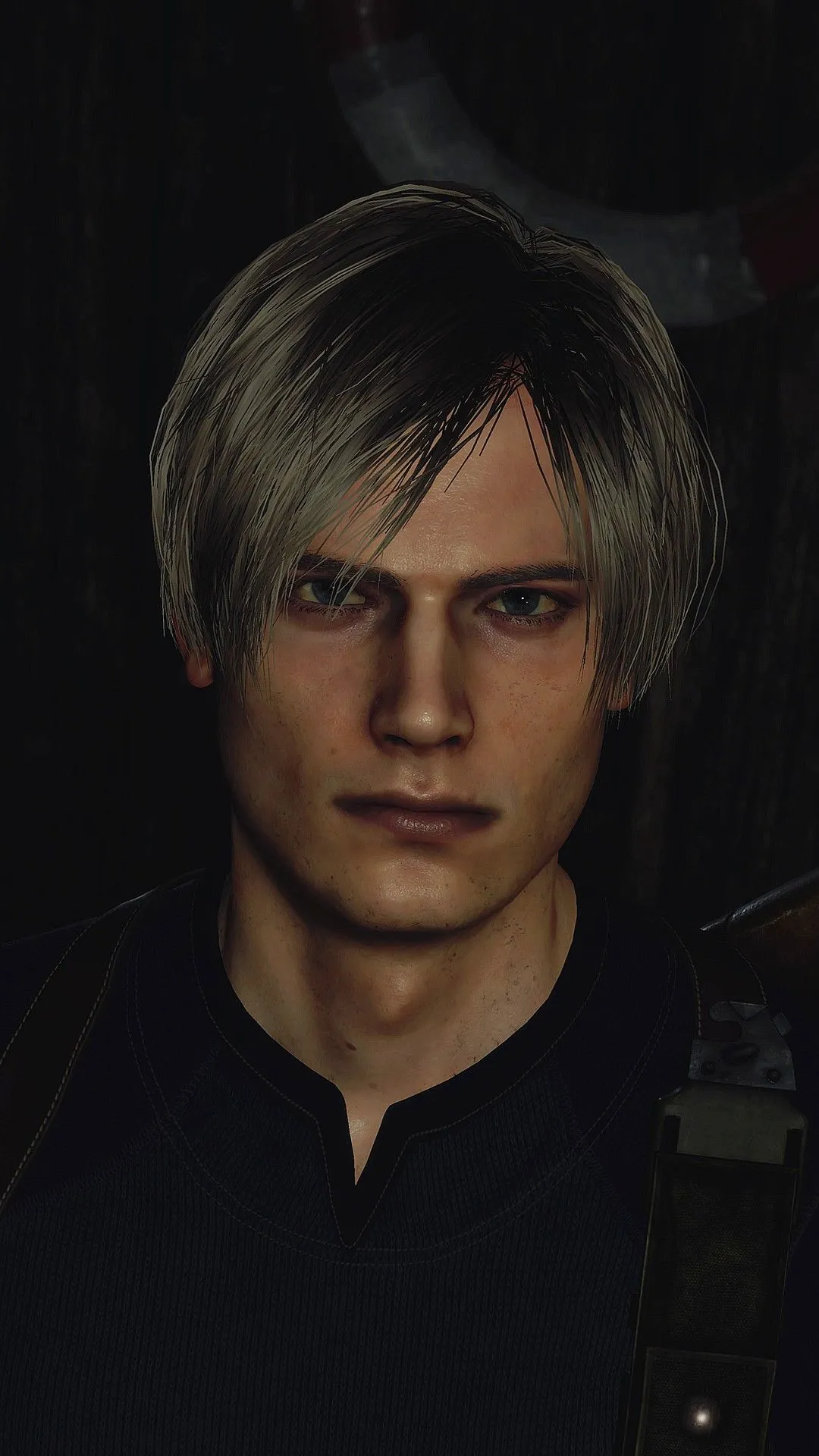 Photo: Leon Kennedy, via i.pinimg.com
The Technology Trap
Many reboots fail because they mistake technological advancement for creative improvement. Simply upgrading from sprites to polygons, or from last-gen to current-gen graphics, doesn't automatically create a better game. The most successful revivals use new technology to enhance existing strengths rather than mask fundamental weaknesses.
Metroid Dread exemplifies this approach. Nintendo didn't just give Samus better graphics — they used modern hardware to create the fluid, responsive movement that previous 2D entries could only approximate. The technology served the core gameplay loop rather than overshadowing it.
Meanwhile, many failed reboots become tech demos for engines and visual effects that distract from gameplay fundamentals. When Crackdown 3 finally launched after years of cloud computing promises, the destruction technology couldn't compensate for uninspired mission design and dated mechanics.
The Audience Evolution Challenge
Perhaps the trickiest aspect of franchise revival is acknowledging that both the gaming audience and the original fanbase have evolved. A straight recreation of a 1990s shooter won't work in 2024, but neither will a complete reinvention that ignores why the series mattered.
Doom 2016 navigated this brilliantly by identifying what modern audiences would appreciate about classic Doom: pure, kinetic action without narrative interruption. id Software stripped away everything that felt dated while amplifying the primal satisfaction of demon-slaying that made the original special.
The key insight was recognizing that nostalgia isn't about recreating specific mechanics — it's about recreating specific feelings. Modern players don't want 1993's movement speed or weapon balance, but they absolutely want that feeling of being an unstoppable force of nature.
The Marketing Authenticity Test
How a reboot is marketed often reveals whether the development team truly understands their franchise. Authentic reboots lead with gameplay and core concepts, while desperate ones lean heavily on celebrity voice actors, cinematic trailers, or "reimagined for a new generation" messaging that screams creative uncertainty.
System Shock's recent marketing campaign focused on immersive sim mechanics and player agency — the exact elements that made Looking Glass Studios' original revolutionary. Night Dive Studios understood they were selling a specific type of experience to a specific audience, not trying to be everything to everyone.
Conversely, marketing campaigns that emphasize graphics upgrades or celebrity involvement while being vague about gameplay often signal internal confusion about what made the original special.
The Platform Strategy
Successful reboots also consider where and how modern audiences discover games. Tony Hawk's Pro Skater 1 + 2 succeeded partly because it launched across multiple platforms simultaneously, recognizing that the franchise's audience had scattered across different ecosystems over the years.
Game Pass and PlayStation Plus have created new opportunities for franchise revival. Putting a reboot on subscription services day-one can rebuild audiences without the barrier of a $60 purchase decision. Microsoft's approach with Halo Infinite multiplayer demonstrated how subscription models can reintroduce franchises to lapsed fans.
The Long Game vs. Quick Cash
The most telling difference between successful and failed reboots is their timeline perspective. Studios that view reboots as franchise restarts plan for sequels and long-term audience building. Those that see them as quick nostalgia cash-grabs often create one-and-done experiences that feel hollow.
Capcom's RE revival wasn't just about making one good remake — it was about reestablishing the franchise's relevance for another decade. Each release built toward the next, creating momentum that sustained audience interest between major launches.
The Development Team Reality
Behind every successful reboot is a development team that genuinely understands and appreciates the source material. This isn't just about hiring original developers (though that can help) — it's about ensuring the core team has internalized what made the franchise special.
Machine Games' Wolfenstein reboot succeeded because the Swedish studio spent time understanding what B.J. Blazkowicz represented beyond just "guy who shoots Nazis." They found the emotional core beneath the power fantasy and built outward from there.
The Verdict: Respect, Don't Resurrect
The most successful franchise reboots don't try to bring dead properties back to life — they identify what was never really dead and give it room to grow. They respect their source material enough to change what needs changing while preserving what should never be touched.
As more studios bet their futures on franchise revivals, the winners will be those who understand that nostalgia is a feeling, not a feature list — and that the best reboots don't just remind us why we loved something, but help us fall in love all over again.