The Alpha Wall: Why Early Access Games Are Training Players to Accept Unfinished as a Feature

When Hades launched in Early Access in 2018, it felt like a promise. Supergiant Games was transparent about their development roadmap, regularly updated players on progress, and delivered a game that felt genuinely improved with each iteration. By the time it hit 1.0 in 2020, Hades had evolved from a solid foundation into a masterpiece. But for every Hades success story, there's a graveyard of titles that used Early Access as a soft launch safety net—and trained players to accept "it'll get better eventually" as a legitimate selling point.
The Promise vs. The Reality
Early Access was supposed to democratize game development. Studios could gather feedback, iterate on mechanics, and build community-driven experiences. The model worked brilliantly for games like Subnautica, Dead Cells, and Risk of Rain 2—titles that used player feedback to genuinely improve core systems and content.
But somewhere along the way, Early Access morphed from a development philosophy into a business strategy. Today's Steam Early Access section is littered with survival games that launched in 2019 and still boast "regular updates coming soon" on their store pages. These aren't games in active development; they're products that found their minimum viable audience and decided that was enough.
The Permanent Beta Business Model
The most insidious part of this shift is how it's reshaped player expectations. A generation of gamers now considers "Early Access" a legitimate product category, not a development phase. We've been conditioned to accept missing features, placeholder art, and game-breaking bugs as part of the experience—as long as there's a roadmap promising fixes "soon."
Look at the survival genre's biggest names: Rust spent eight years in Early Access, fundamentally changing its core mechanics multiple times. DayZ took five years to reach 1.0, and many players argue it was more stable in its early alpha builds. These aren't cautionary tales—they're business models. Both games generated millions in revenue while technically "unfinished."
The Full Price Trap
Perhaps the most telling indicator of Early Access's evolution is pricing. When Minecraft launched its alpha in 2009, Notch charged $13 and promised the price would increase as development progressed. Today's Early Access titles routinely launch at $30-$50, sometimes matching or exceeding the eventual 1.0 price point.
Take Valheim, which exploded in popularity at $20 during Early Access. The game delivered an incredible experience but was transparently incomplete—entire biomes were empty, key features were missing, and the roadmap stretched years into the future. Players didn't care. They'd been trained to see Early Access as a different category of product, not an unfinished version of something else.
The Developer Safety Net
For developers, Early Access has become the ultimate hedge against failure. Launch broken? "It's Early Access." Missing promised features? "Check our roadmap." Game feels shallow? "We're listening to community feedback." The label provides cover for almost any development shortcoming while still generating revenue.
This safety net has created a perverse incentive structure. Why crunch to deliver a polished 1.0 when you can launch in Early Access, gauge market response, and pivot if necessary? Some of the most successful "Early Access" games never actually needed the feedback—they used the label as marketing protection.
What We've Lost
The normalization of Early Access has fundamentally changed how we evaluate games. We no longer ask "Is this game good?" but rather "Is this game good for Early Access?" We've created a grading curve that allows developers to ship incomplete products and receive praise for eventual improvements that should have been there at launch.
This shift has broader implications for the industry. When players accept incomplete experiences as legitimate products, it removes pressure for developers to deliver polished launches. Why delay a game for six months of polish when you can launch in Early Access and patch it over two years?
The Success Stories Are the Exception
For every Hades or Baldur's Gate 3 (which used Early Access brilliantly to test Act 1), there are dozens of titles that launched in Early Access and never meaningfully evolved. The model works when developers have a clear vision and use player feedback to refine that vision. It fails when Early Access becomes a substitute for having a finished product.
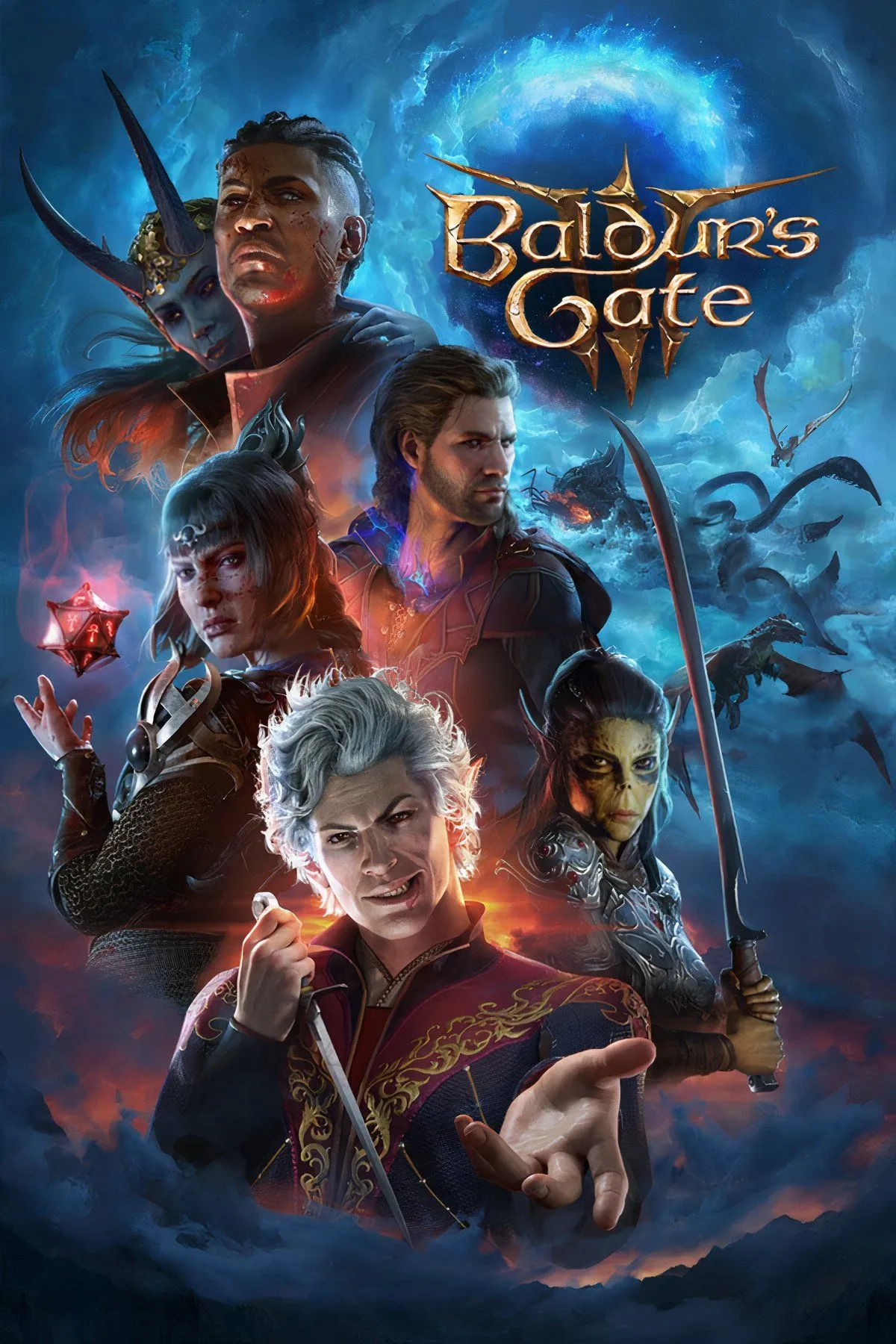 Photo: Baldur's Gate 3, via static0.gamerantimages.com
The most successful Early Access games share common traits: transparent communication, regular updates, and developers who genuinely iterate based on feedback. But these are increasingly the exception, not the rule.
Breaking the Cycle
The Early Access model isn't inherently broken, but its current implementation has created a culture where unfinished is acceptable as long as it's labeled correctly. Players have become complicit in this system, rewarding developers for shipping incomplete products with the promise of eventual completion.
To break this cycle, we need to return to evaluating Early Access games by what they are, not what they promise to become. A game that's fun and complete within its current scope deserves praise. A game that's charging full price for a promise deserves scrutiny.
Early Access was meant to improve games through community collaboration—instead, it's become the industry's most successful excuse for shipping unfinished products and calling them features.