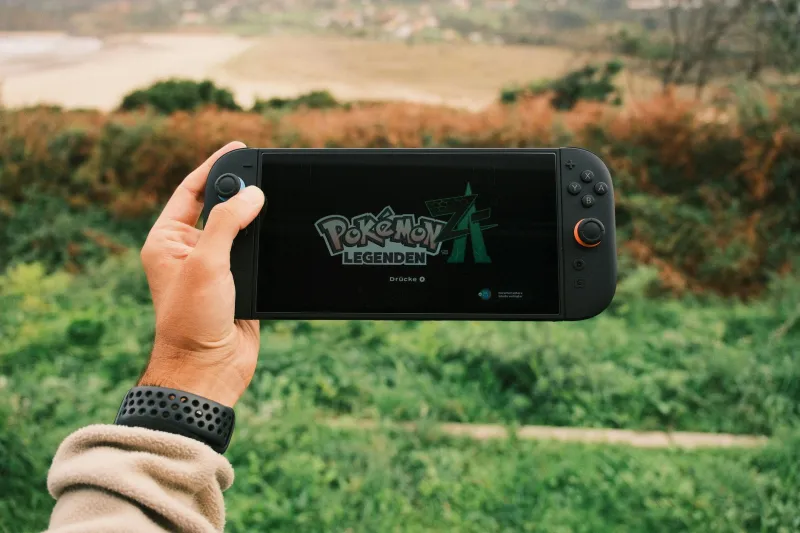
The Save Point Extinction: Why Autosave Killed One of Gaming's Most Tense Rituals — and What We Lost With It

The Save Point Extinction: Why Autosave Killed One of Gaming's Most Tense Rituals — and What We Lost With It
Remember the last time you held your breath while approaching a save point? That moment of relief when you finally reached safety after a grueling section, knowing your progress was secure? For an entire generation of gamers, that feeling is as foreign as inserting a cartridge or blowing on contacts. Modern gaming's seamless autosave systems have eliminated one of the medium's most primal emotions: the fear of losing everything.
The Ritual of Survival
In the golden age of save points, every gaming session was a calculated risk. Resident Evil's typewriter ribbons were precious resources—use too many and you might not have one when you desperately needed it. Final Fantasy's save crystals created natural breathing points in epic adventures, forcing players to strategize not just their next move, but when they'd next feel safe enough to rest.
 Photo: Final Fantasy, via static0.gamerantimages.com
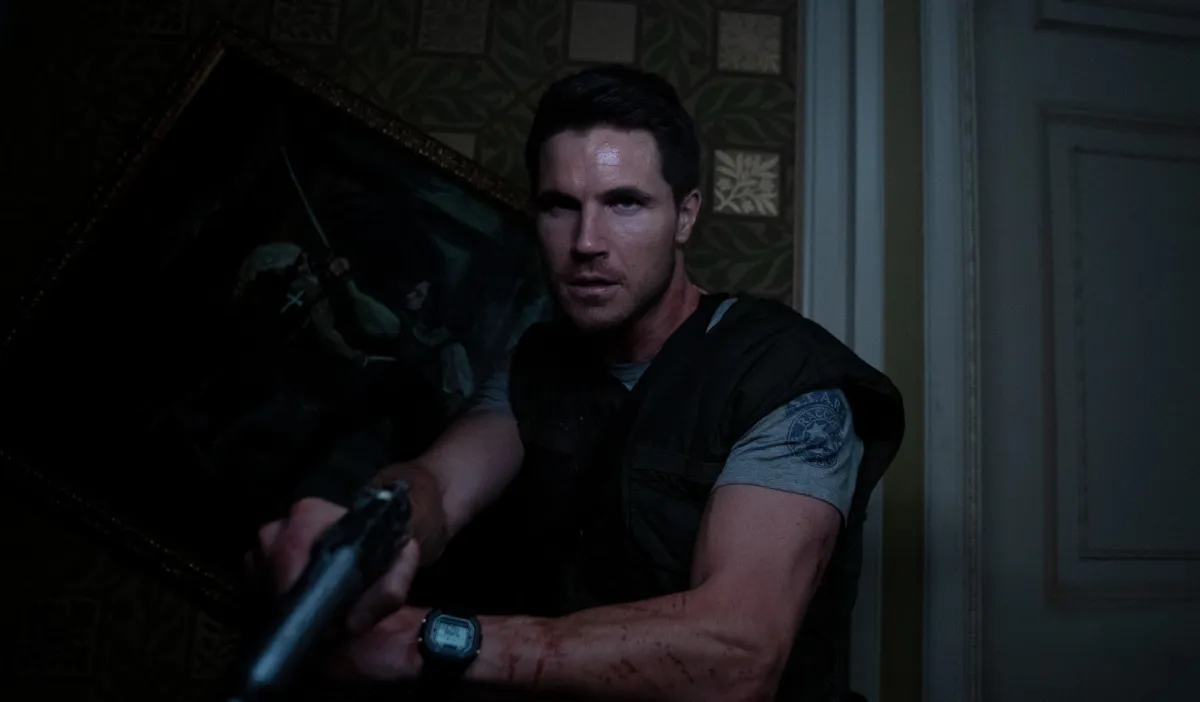 Photo: Resident Evil, via www.sonypictures.co.uk
These weren't just mechanical systems; they were emotional architects. The distance between save points created tension that modern games struggle to replicate through design alone. Every enemy encounter mattered because failure meant losing potentially hours of progress. Every resource was precious because you might not see another save point for miles.
The Psychology of Precious Progress
Save point systems understood something fundamental about human psychology: we value what we might lose. When your last save was 45 minutes ago and you're facing a boss with 10% health remaining, every input carries weight. Your palms sweat. Your heart races. The game has achieved something that autosave systems rarely can—it's made you genuinely afraid.
This fear wasn't sadistic design; it was emotional investment. Players developed genuine relationships with their progress, treating each saved state like a precious checkpoint in their journey. The relief of reaching safety after a difficult section created a dopamine hit that modern games struggle to replicate through achievement unlocks or progress bars.
The Convenience Revolution
Autosave systems solved real problems. No one misses losing three hours of progress to a power outage or accidentally hitting reset. The ability to quit anytime and resume exactly where you left off has made gaming more accessible to busy adults who can't always plan their sessions around save points.
But in solving these problems, we've eliminated an entire category of gaming emotion. Modern games autosave so frequently—often every few seconds—that death has lost most of its sting. You might lose 30 seconds of progress, maybe a minute if you're unlucky. The stakes have been systematically reduced to almost nothing.
What Modern Games Lost
Without meaningful save point systems, modern games have lost several key elements that made classic titles emotionally resonant:
Pacing Control: Save points created natural break points in gameplay, allowing developers to control rhythm and tension. Players knew when they were entering dangerous territory and when they'd found sanctuary.
Resource Management: Limited save opportunities forced players to think strategically about when to use consumables, when to retreat, and when to push forward. Every decision carried weight.
Earned Relief: The satisfaction of reaching a save point after a difficult section is unmatched in modern gaming. Today's games provide constant validation through autosave, diminishing the impact of any single moment.
Meaningful Consequences: When death meant replaying significant portions of content, players approached encounters with genuine caution. Modern games encourage reckless experimentation because failure is essentially free.
The Few That Remember
Some modern titles have recognized what was lost and attempted to recreate save point tension. Hollow Knight's bench system captures much of the original magic, creating safe havens in a dangerous world while forcing players to trek through hostile territory to secure progress.
Dark Souls' bonfire system is perhaps the most successful modern interpretation, creating the same risk-reward psychology that made classic save points so effective. The relief of discovering a new bonfire after a grueling section rivals any boss victory.
 Photo: Dark Souls, via i45.servimg.com
More recently, games like Resident Evil 2 Remake and Alien: Isolation have brought back limited save systems, proving that modern audiences still respond to the tension these mechanics create.
The Accessibility Question
Critics of save point systems often point to accessibility concerns, and they're not wrong. Limited save systems can be punishing for players with limited gaming time, disabilities that affect performance, or unpredictable schedules. The solution isn't to abandon save point design entirely, but to offer options.
Some modern games have found middle ground: normal difficulty with frequent autosaves, but optional "classic" modes with limited save points for players seeking that old-school tension. This approach respects both accessibility needs and design philosophy.
The Emotional Cost of Convenience
The shift to ubiquitous autosave represents a broader trend in modern gaming: the systematic removal of friction in favor of convenience. Loading screens, inventory management, travel time—all have been streamlined or eliminated to keep players "in the action." But friction isn't always bad; sometimes it's what makes the smooth moments feel special.
Save points were gaming's equivalent of commercial breaks in television—unwanted interruptions that paradoxically made the main content more valuable. Without them, gaming has become an uninterrupted stream of content that can feel less impactful despite being objectively more convenient.
Bringing Back the Stakes
The solution isn't to abandon autosave technology, but to recognize what we lost and selectively bring back elements that enhanced the gaming experience. Developers could offer save point modes as alternatives, design specific sections around limited saves, or create hybrid systems that combine the safety of autosave with the tension of manual save management.
Some players will always prefer the convenience of modern autosave systems, and that's fine. But for those who miss the days when reaching a save point felt like a genuine victory, the industry has largely moved on without looking back.
Gaming's march toward convenience has eliminated one of its most powerful emotional tools—the fear of losing progress that made every moment feel precious.