The Sequel Tax: Why Gaming's Biggest Franchises Keep Charging More and Delivering Less Per Dollar
The Sequel Tax: Why Gaming's Biggest Franchises Keep Charging More and Delivering Less Per Dollar
When Call of Duty: Modern Warfare II launched at $70 in 2022, it included a six-hour campaign, standard multiplayer modes, and a promise that the "real" content would come via post-launch updates and battle passes. Compare that to Call of Duty 4: Modern Warfare's $60 launch in 2007, which delivered a robust eight-hour campaign, full multiplayer suite, and mod support that extended the game's life for years. Adjusted for inflation, that 2007 game cost about $85 in today's money—yet somehow delivered more content per dollar than its spiritual successor.
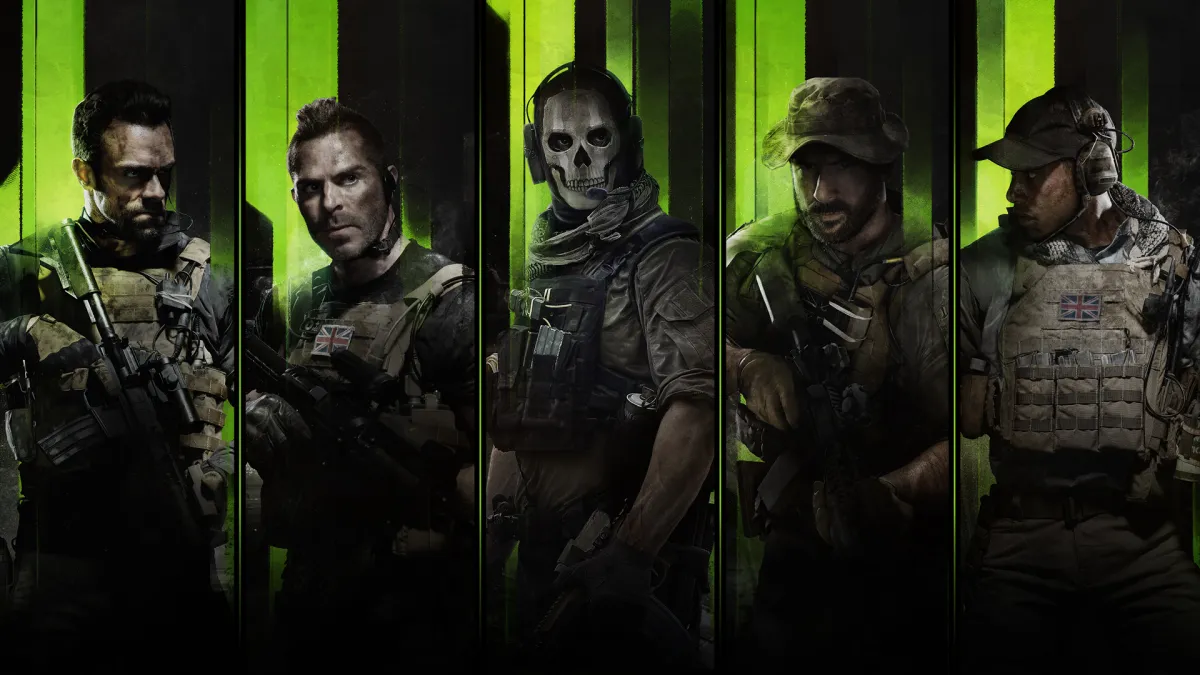 Photo: Call of Duty: Modern Warfare II, via wallpapercave.com
This isn't an isolated incident. Across gaming's biggest franchises, a quiet transformation has occurred: as prices have climbed to $70-$80 for standard editions, the amount of content included at launch has steadily shrunk. Welcome to the sequel tax—where established brands charge premium prices for diminished experiences, banking on franchise loyalty to compensate for reduced value.
The Great Content Contraction
The numbers tell a stark story. Take the Battlefield franchise: Battlefield 3 (2011) launched with nine multiplayer maps and a substantial campaign. Battlefield 2042 (2021) launched with seven maps, no campaign, and fewer game modes—while costing $10 more at launch. The "live service" promise filled some gaps eventually, but day-one purchasers paid more for objectively less content.
Similar patterns emerge across major franchises. Halo Infinite split its campaign and multiplayer into separate products, charging $60 for a campaign that many considered shorter and less varied than previous entries. FIFA games have gradually moved features behind Ultimate Team paywalls while maintaining premium pricing. Even single-player focused series like Assassin's Creed now launch with significant content locked behind season passes and DLC.
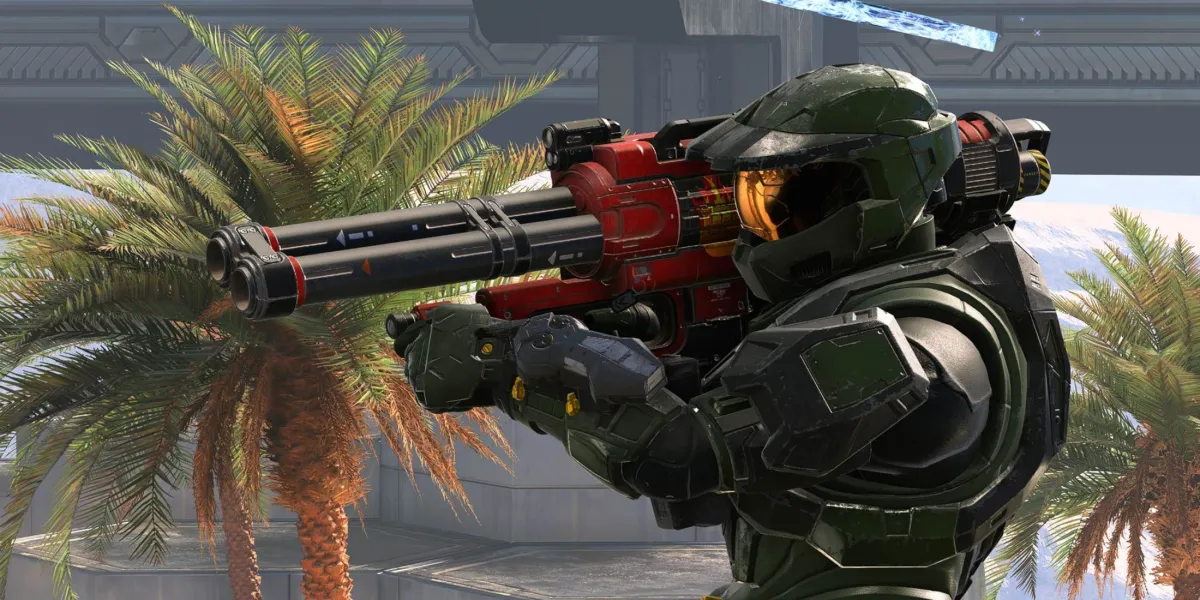 Photo: Halo Infinite, via static0.gamerantimages.com
The DLC Shell Game
The most insidious aspect of the sequel tax is how it's disguised as added value. Publishers have become masters at fragmenting what used to be included content into separate SKUs. That $70 base game is now the "standard edition," with "deluxe" and "ultimate" versions climbing to $100-$130 for content that previous generations included by default.
Consider Destiny 2's model: the base game launched at $60, but accessing the "complete" experience required purchasing $40 worth of DLC within the first year. Previous Bungie games like Halo 3 included everything needed for the full experience in the base purchase. The content didn't disappear—it was simply repackaged as premium add-ons.
Graphics Over Substance
Franchise sequels have increasingly prioritized visual upgrades over content depth, using improved graphics to justify higher prices while delivering fewer gameplay hours. This trend is particularly evident in annual sports franchises, where roster updates and visual improvements mask the fact that core modes and features remain largely unchanged year over year.
The focus on visual fidelity has created a development cost spiral that publishers pass directly to consumers. Teams spend enormous resources on photorealistic character models and environmental details while scripting fewer cutscenes, designing fewer levels, and including fewer game modes than their predecessors.
The Battle Pass Bait and Switch
Perhaps the most egregious example of the sequel tax is how multiplayer games have shifted from complete packages to live service platforms. Games like Overwatch 2 literally replaced their predecessors, removing content that players had already purchased while implementing new monetization systems.
The battle pass model has become a way to charge players repeatedly for content that used to be included in expansion packs or free updates. A modern shooter might launch with 10 maps and charge $10 every three months for battle passes that slowly unlock content. Previous generations would have included 15-20 maps at launch with free map packs throughout the game's lifecycle.
Regional Pricing Reveals the Truth
The sequel tax becomes most apparent when examining regional pricing strategies. In markets where $70 represents a larger portion of disposable income, publishers often price games lower—revealing that the high US prices aren't driven by development costs but by market tolerance.
When the same AAA sequel costs $30 in one region and $70 in another, it's clear that pricing is based on what publishers think they can charge, not what the content is worth. This dynamic pricing proves that the sequel tax is a conscious business decision, not an inevitable result of rising development costs.
The Franchise Recognition Premium
Established franchises can charge sequel taxes because they've built audiences that will purchase based on brand recognition alone. Publishers know that Call of Duty, FIFA, and Assassin's Creed have guaranteed day-one sales regardless of content quantity. This creates a perverse incentive to maximize profit margins by reducing included content while maintaining premium pricing.
New IP, by contrast, must prove their value proposition through generous content offerings and competitive pricing. It's telling that some of the best value propositions in modern gaming come from new franchises trying to establish themselves, while established series increasingly coast on recognition.
Consumer Breaking Point
Signs suggest American consumers are reaching their limit with sequel taxes. Pre-order numbers for major franchises have declined, while sales increasingly shift to post-launch discount periods. The success of Game Pass and PlayStation Plus has trained players to wait for "free" access rather than paying premium prices for diminished experiences.
The rise of indie games and smaller studios offering complete experiences at $20-$40 has created direct comparisons that make franchise sequel taxes harder to justify. When Hades offers 100+ hours of content for $25 while a major franchise sequel offers 20 hours for $70, the value proposition becomes stark.
The Path Forward
Some publishers have recognized the unsustainability of sequel taxes. Nintendo continues to offer complete experiences at launch, with games like Breath of the Wild and Super Mario Odyssey delivering exceptional value propositions. Sony's first-party titles, while expensive, generally justify their pricing with substantial content offerings.
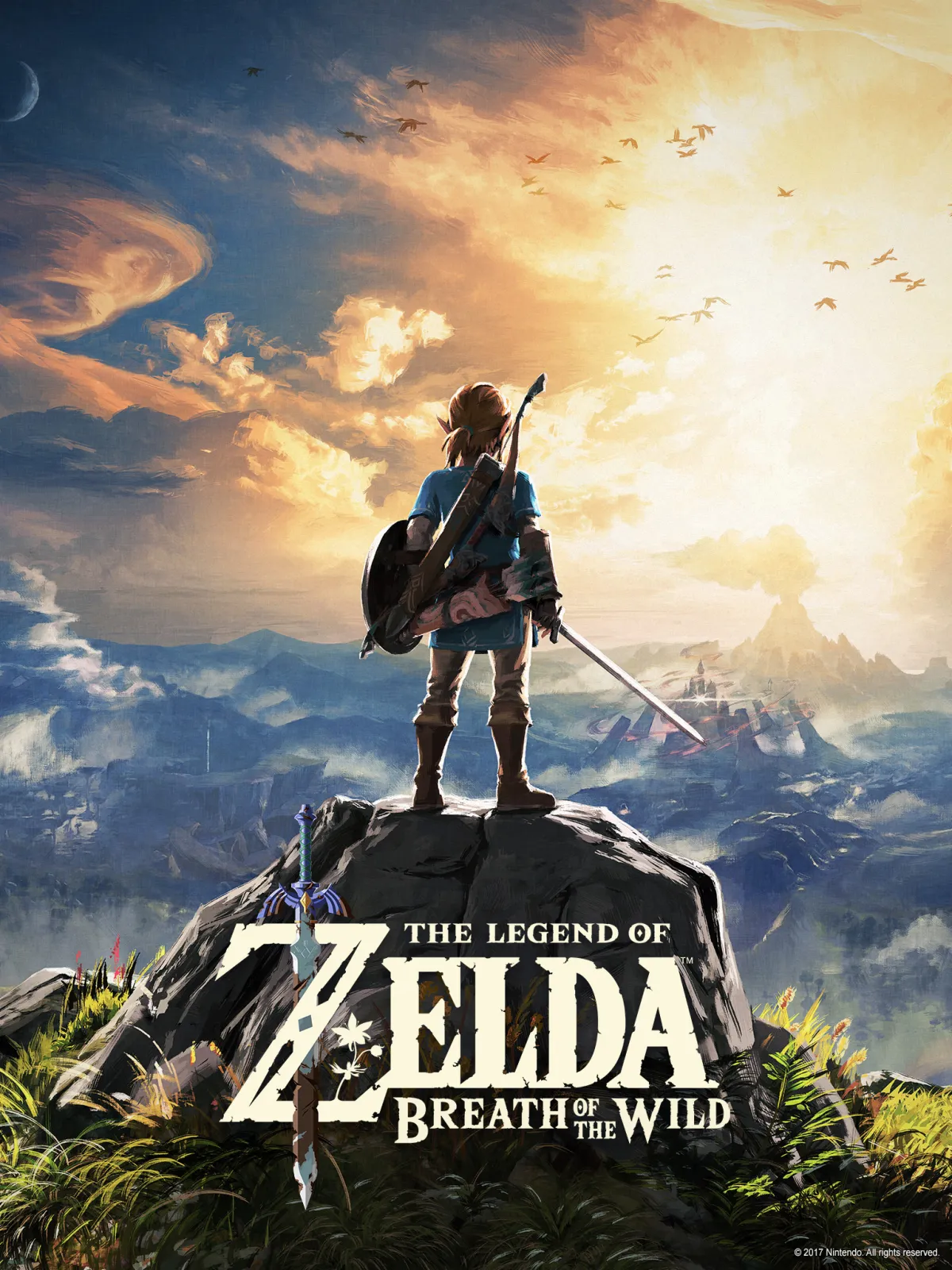 Photo: Breath of the Wild, via www.nintendo.com
The solution isn't necessarily lower prices, but honest value propositions. If development costs require $70 pricing, games should deliver $70 worth of content at launch, not promise it through future updates and paid DLC.
Breaking the Cycle
The sequel tax persists because consumers continue paying it. Breaking this cycle requires holding franchises to the same standards we apply to new IP: judge games by their content quantity and quality, not their brand recognition. When major franchises consistently deliver less value than smaller competitors, voting with wallets becomes the only effective response.
The sequel tax represents the gaming industry's most successful con job—convincing consumers to pay more for less by slapping familiar logos on diminished experiences.